Buy down-syndrome.eu ?
We are moving the project
down-syndrome.eu .
Are you interested in purchasing the domain
down-syndrome.eu ?
domain@kv-gmbh.de · 0541-91531010
Buy down-syndrome.eu ?
Why have we written down that only 36 ATP are produced in cellular respiration instead of 38 ATP, as 2 ATP are needed for transport?
We have written down that only 36 ATP are produced in cellular respiration instead of 38 ATP because 2 ATP are used for transport of NADH from the cytoplasm into the mitochondria. This transport process is necessary for the NADH to be able to donate its electrons to the electron transport chain, where the majority of ATP is produced. Therefore, in order to accurately represent the net ATP yield from cellular respiration, it is important to account for the ATP used in the transport process. **
How is ATP formed?
ATP is formed through the process of cellular respiration, which occurs in the mitochondria of cells. During cellular respiration, glucose is broken down in a series of steps, releasing energy that is used to convert ADP (adenosine diphosphate) into ATP (adenosine triphosphate). This process involves the electron transport chain and the production of ATP synthase, which adds a phosphate group to ADP to form ATP. Overall, ATP is formed through the transfer of energy from glucose to ADP, creating a molecule that serves as the primary energy source for cellular activities. **


Similar search terms for ATP
Top-Angebote
Products related to ATP:
-
In2Green Warrier Throw (Breast Cancer Awareness) PinkThese blankets wash well, stay soft, and hold up beautifully over time. Our signature knit and woven products are made from fiberized t-shirt clippings salvaged from industrial t-shirt manufacturers.195,00 $*Shipping: 0,00 $Secure redirect to the provider
-
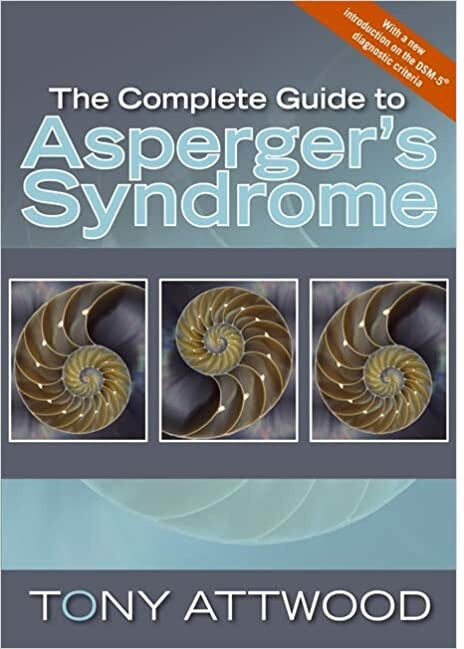
Jessica Kingsley Publishers The Complete Guide to Asperger's Syndrome by Tony Attwood"The Complete Guide to Asperger's Syndrome" is the definitive handbook for anyone affected by Asperger's syndrome (AS). It brings together a wealth of information on all aspects of the syndrome for children through to adults. Drawing on case studies and personal accounts from Attwood's extensive clinical experience, and from his correspondence with individuals with AS, this book is both authoritative and extremely accessible. The chapters examine: causes and indications of the syndrome; the diagnosis and its effect on the individual; theory of mind; the perception of emotions in self and others; social interaction, including friendships; long-term relationships; teasing, bullying and mental health issues; the effect of AS on language and cognitive abilities, sensory sensitivity, movement and co-ordination skills; and, career development. There is also an invaluable frequently asked questions chapter and a section listing useful resources for anyone wishing to find further information on a particular aspect of AS, as well as literature and educational tools. Essential reading for families and individuals affected by AS as well as teachers, professionals and employers coming in contact with people with AS, this book should be on the bookshelf of anyone who needs to know or is interested in this complex condition.19,65 £*Shipping: 2,99 £Secure redirect to the provider



-
What is ATP explained simply?
ATP, or adenosine triphosphate, is often referred to as the "energy currency" of the cell. It is a molecule that stores and transfers energy within cells for various cellular processes. When ATP is broken down into ADP (adenosine diphosphate) and inorganic phosphate, energy is released and can be used by the cell to fuel activities such as muscle contractions, nerve impulses, and protein synthesis. In essence, ATP provides the necessary energy for cells to carry out their functions and maintain life. **
-
What are glucose and ATP?
Glucose is a simple sugar that serves as the primary source of energy for our cells. It is obtained from the food we eat and is broken down through a series of metabolic processes to produce ATP (adenosine triphosphate). ATP is often referred to as the "energy currency" of the cell because it stores and transfers energy within cells for various cellular functions. Both glucose and ATP play crucial roles in providing energy for the body to carry out its daily functions. **
-
Where does ATP come from?
ATP, or adenosine triphosphate, is produced in the mitochondria of cells through a process called cellular respiration. During cellular respiration, glucose is broken down in the presence of oxygen to produce ATP, which serves as the primary energy source for cellular activities. Additionally, ATP can also be generated through the process of photosynthesis in plant cells, where sunlight is used to convert carbon dioxide and water into glucose and oxygen, ultimately leading to the production of ATP. **
-
What are ATP and ADP?
ATP (adenosine triphosphate) is a molecule that stores and transfers energy within cells. It is often referred to as the "energy currency" of the cell because it provides the energy needed for various cellular processes. When ATP is used for energy, it is converted to ADP (adenosine diphosphate) by releasing one phosphate group, along with the energy stored in the bond. ADP can then be converted back to ATP through cellular respiration to replenish the cell's energy supply. **

What is ATP in biology?
ATP, or adenosine triphosphate, is a molecule that serves as the primary energy currency in living organisms. It is composed of an adenosine molecule and three phosphate groups, and its high-energy phosphate bonds store and release energy for cellular processes. ATP is produced during cellular respiration and photosynthesis, and it is used to power various biological processes such as muscle contraction, active transport, and chemical synthesis. In essence, ATP is essential for the functioning and survival of all living organisms. **
What is the meaning of ATP?
ATP stands for adenosine triphosphate, which is a molecule that serves as the primary energy carrier in cells. It is often referred to as the "energy currency" of the cell because it provides the energy necessary for various cellular processes, such as muscle contraction, nerve impulse transmission, and chemical synthesis. ATP is produced through cellular respiration and is used by cells to fuel their metabolic activities. **
Top-Angebote
Products related to ATP:
-
Perfect Picks Market Geometric Building Blocks Set For Kids Early Education Intelligence Development Toy Geometric Building Blocks Set For Kids Early Education Intelligence Development ToyUnlock your child's potential with this early education equipment designed to stimulate creativity and intelligence! This geometric set is the perfect building block toy for boys, helping to develop problemsolving skills while having fun. The...35,97 $*Shipping: 0,00 $Secure redirect to the provider
-
Uplifted Finds Mental Health Awareness Acrylic Sign Psychology Motivational Decor For Counseling, Classroom & Office Mental Health Awareness Acrylic Sign Psychology Motivational Decor For Counseling, Classroom & Office"Foster a culture of resilience and wellness with our Mental Health Gift. This premium psychology motivational decoration is the ultimate designer solution for creating a ""MindfulSanctuary"" or ""PositiveFocus"" atmosphere in any home. Featuring a..."71,97 $*Shipping: 0,00 $Secure redirect to the provider
-
Why have we written down that only 36 ATP are produced in cellular respiration instead of 38 ATP, as 2 ATP are needed for transport?
We have written down that only 36 ATP are produced in cellular respiration instead of 38 ATP because 2 ATP are used for transport of NADH from the cytoplasm into the mitochondria. This transport process is necessary for the NADH to be able to donate its electrons to the electron transport chain, where the majority of ATP is produced. Therefore, in order to accurately represent the net ATP yield from cellular respiration, it is important to account for the ATP used in the transport process. **
-
How is ATP formed?
ATP is formed through the process of cellular respiration, which occurs in the mitochondria of cells. During cellular respiration, glucose is broken down in a series of steps, releasing energy that is used to convert ADP (adenosine diphosphate) into ATP (adenosine triphosphate). This process involves the electron transport chain and the production of ATP synthase, which adds a phosphate group to ADP to form ATP. Overall, ATP is formed through the transfer of energy from glucose to ADP, creating a molecule that serves as the primary energy source for cellular activities. **
-
What is ATP explained simply?
ATP, or adenosine triphosphate, is often referred to as the "energy currency" of the cell. It is a molecule that stores and transfers energy within cells for various cellular processes. When ATP is broken down into ADP (adenosine diphosphate) and inorganic phosphate, energy is released and can be used by the cell to fuel activities such as muscle contractions, nerve impulses, and protein synthesis. In essence, ATP provides the necessary energy for cells to carry out their functions and maintain life. **
-
What are glucose and ATP?
Glucose is a simple sugar that serves as the primary source of energy for our cells. It is obtained from the food we eat and is broken down through a series of metabolic processes to produce ATP (adenosine triphosphate). ATP is often referred to as the "energy currency" of the cell because it stores and transfers energy within cells for various cellular functions. Both glucose and ATP play crucial roles in providing energy for the body to carry out its daily functions. **
Similar search terms for ATP
-
In2Green Warrier Throw (Breast Cancer Awareness) PinkThese blankets wash well, stay soft, and hold up beautifully over time. Our signature knit and woven products are made from fiberized t-shirt clippings salvaged from industrial t-shirt manufacturers.195,00 $*Shipping: 0,00 $Secure redirect to the provider
-
Jessica Kingsley Publishers The Complete Guide to Asperger's Syndrome by Tony Attwood"The Complete Guide to Asperger's Syndrome" is the definitive handbook for anyone affected by Asperger's syndrome (AS). It brings together a wealth of information on all aspects of the syndrome for children through to adults. Drawing on case studies and personal accounts from Attwood's extensive clinical experience, and from his correspondence with individuals with AS, this book is both authoritative and extremely accessible. The chapters examine: causes and indications of the syndrome; the diagnosis and its effect on the individual; theory of mind; the perception of emotions in self and others; social interaction, including friendships; long-term relationships; teasing, bullying and mental health issues; the effect of AS on language and cognitive abilities, sensory sensitivity, movement and co-ordination skills; and, career development. There is also an invaluable frequently asked questions chapter and a section listing useful resources for anyone wishing to find further information on a particular aspect of AS, as well as literature and educational tools. Essential reading for families and individuals affected by AS as well as teachers, professionals and employers coming in contact with people with AS, this book should be on the bookshelf of anyone who needs to know or is interested in this complex condition.19,65 £*Shipping: 2,99 £Secure redirect to the provider
-
Where does ATP come from?
ATP, or adenosine triphosphate, is produced in the mitochondria of cells through a process called cellular respiration. During cellular respiration, glucose is broken down in the presence of oxygen to produce ATP, which serves as the primary energy source for cellular activities. Additionally, ATP can also be generated through the process of photosynthesis in plant cells, where sunlight is used to convert carbon dioxide and water into glucose and oxygen, ultimately leading to the production of ATP. **
-
What are ATP and ADP?
ATP (adenosine triphosphate) is a molecule that stores and transfers energy within cells. It is often referred to as the "energy currency" of the cell because it provides the energy needed for various cellular processes. When ATP is used for energy, it is converted to ADP (adenosine diphosphate) by releasing one phosphate group, along with the energy stored in the bond. ADP can then be converted back to ATP through cellular respiration to replenish the cell's energy supply. **
-
What is ATP in biology?
ATP, or adenosine triphosphate, is a molecule that serves as the primary energy currency in living organisms. It is composed of an adenosine molecule and three phosphate groups, and its high-energy phosphate bonds store and release energy for cellular processes. ATP is produced during cellular respiration and photosynthesis, and it is used to power various biological processes such as muscle contraction, active transport, and chemical synthesis. In essence, ATP is essential for the functioning and survival of all living organisms. **
-
What is the meaning of ATP?
ATP stands for adenosine triphosphate, which is a molecule that serves as the primary energy carrier in cells. It is often referred to as the "energy currency" of the cell because it provides the energy necessary for various cellular processes, such as muscle contraction, nerve impulse transmission, and chemical synthesis. ATP is produced through cellular respiration and is used by cells to fuel their metabolic activities. **
* All prices are inclusive of VAT and, if applicable, plus shipping costs. The offer information is based on the details provided by the respective shop and is updated through automated processes. Real-time updates do not occur, so deviations can occur in individual cases. ** Note: Parts of this content were created by AI.