Buy down-syndrome.eu ?
We are moving the project
down-syndrome.eu .
Are you interested in purchasing the domain
down-syndrome.eu ?
domain@kv-gmbh.de · 0541-91531010
Buy down-syndrome.eu ?
How are meat consumption and education related?
Meat consumption and education are related in several ways. Studies have shown that individuals with higher levels of education tend to consume less meat, as they are more likely to be aware of the environmental, health, and ethical implications of meat production. Additionally, education can also influence dietary choices and preferences, leading to a greater emphasis on plant-based foods. Education can also play a role in promoting sustainable and ethical food practices, which can lead to reduced meat consumption. **
Does meat consumption block awareness of the ethereal dimensions and astral worlds?
There is no scientific evidence to suggest that meat consumption directly blocks awareness of ethereal dimensions and astral worlds. Awareness of such dimensions is often considered to be a spiritual or metaphysical concept that may be influenced by a variety of factors, including personal beliefs, practices, and experiences. While some spiritual traditions advocate for vegetarian or vegan diets as a way to enhance spiritual awareness, the relationship between meat consumption and awareness of ethereal dimensions is subjective and may vary among individuals. **


Similar search terms for Meat
Top-Angebote
Products related to Meat:



-
'Meat or no meat?'
The decision to eat meat or not is a personal choice that depends on individual beliefs, values, and dietary preferences. Some people choose to eat meat for its nutritional benefits, while others opt for a vegetarian or vegan diet for ethical, environmental, or health reasons. It's important to consider the impact of meat consumption on animal welfare, the environment, and personal health when making this decision. Ultimately, the choice of whether to eat meat or not is a personal one that should be made based on careful consideration of these factors. **
-
What are the theses about Down syndrome and the inclusion of children in kindergarten?
The theses about Down syndrome and the inclusion of children in kindergarten focus on the importance of creating inclusive environments that support the learning and development of children with Down syndrome. They emphasize the benefits of inclusive education for children with and without disabilities, highlighting the positive impact on social, emotional, and cognitive development. The theses also discuss the need for specialized support and resources to ensure the successful inclusion of children with Down syndrome in kindergarten settings. Overall, the theses advocate for a more inclusive approach to education that values diversity and promotes the full participation of all children. **
-
Wild meat or regular meat?
It's important to consider the ethical and environmental implications of consuming wild meat versus regular meat. Wild meat, such as game animals, can be a more sustainable and natural option as it is often hunted in a way that supports local ecosystems and wildlife populations. However, regular meat from domesticated animals can be more readily available and may be produced in a more controlled and regulated manner. Ultimately, the choice between wild meat and regular meat depends on individual preferences, ethical considerations, and access to sustainable sources. **
-
Does meat substitute really replace meat?
Meat substitutes can provide a similar texture and taste to meat, making them a viable option for those looking to reduce their meat consumption. However, they may not fully replace the nutritional benefits of meat, as they may lack certain essential nutrients such as complete proteins, iron, and vitamin B12. Additionally, the environmental and ethical implications of meat production are not fully addressed by meat substitutes. While they can be a helpful alternative for some, it's important to consider the overall impact and nutritional value when choosing between meat and meat substitutes. **

What happens to health when eating meat from factory farming?
Eating meat from factory farming can have negative effects on health. Factory-farmed animals are often given antibiotics and hormones, which can be passed on to consumers and contribute to antibiotic resistance and hormonal imbalances. Additionally, the crowded and unsanitary conditions in factory farms can lead to the spread of diseases, which can also be transmitted to humans through consumption of contaminated meat. Furthermore, factory-farmed meat is often higher in saturated fat and lower in nutrients compared to meat from animals raised in more natural and healthy environments. Overall, consuming meat from factory farming can increase the risk of various health issues and may have negative impacts on overall well-being. **
Is it okay to eat less meat but support zoos?
Yes, it is possible to eat less meat while still supporting zoos. Eating less meat can help reduce the demand for animal products and contribute to a more sustainable food system. Supporting zoos can also have educational and conservation benefits, as many zoos participate in breeding programs for endangered species and conduct research to help protect wildlife. It is important to consider the ethical and environmental implications of both choices and strive to make informed decisions that align with one's values. **
Top-Angebote
Products related to Meat:
-
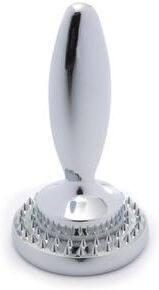
OXO Good Grips Meat TenderiserUpgrade your kitchen toolkit with the OXO Good Grips Meat Tenderiser, a durable die‑cast mallet built to deliver efficient, consistent results. Designed with two functional sides, it gives you the control to prep a wide range of proteins with ease. The textured, pyramid‑tooth surface helps loosen tough muscle fibres, allowing marinades to penetrate more effectively and improving tenderness. Flip to the smooth face to create even thickness in chicken, pork, or beef, supporting quicker, more uniform cooking. Thoughtfully balanced, the weighted head provides powerful impact without requiring extra effort, while the signature OXO soft, non‑slip handle keeps your grip secure—even with wet hands. Crafted from robust die‑cast aluminium, this tool is made to withstand regular use and remain a reliable part of your food‑prep routine.15,30 £*Shipping: 3,50 £Secure redirect to the provider
-
How are meat consumption and education related?
Meat consumption and education are related in several ways. Studies have shown that individuals with higher levels of education tend to consume less meat, as they are more likely to be aware of the environmental, health, and ethical implications of meat production. Additionally, education can also influence dietary choices and preferences, leading to a greater emphasis on plant-based foods. Education can also play a role in promoting sustainable and ethical food practices, which can lead to reduced meat consumption. **
-
Does meat consumption block awareness of the ethereal dimensions and astral worlds?
There is no scientific evidence to suggest that meat consumption directly blocks awareness of ethereal dimensions and astral worlds. Awareness of such dimensions is often considered to be a spiritual or metaphysical concept that may be influenced by a variety of factors, including personal beliefs, practices, and experiences. While some spiritual traditions advocate for vegetarian or vegan diets as a way to enhance spiritual awareness, the relationship between meat consumption and awareness of ethereal dimensions is subjective and may vary among individuals. **
-
'Meat or no meat?'
The decision to eat meat or not is a personal choice that depends on individual beliefs, values, and dietary preferences. Some people choose to eat meat for its nutritional benefits, while others opt for a vegetarian or vegan diet for ethical, environmental, or health reasons. It's important to consider the impact of meat consumption on animal welfare, the environment, and personal health when making this decision. Ultimately, the choice of whether to eat meat or not is a personal one that should be made based on careful consideration of these factors. **
-
What are the theses about Down syndrome and the inclusion of children in kindergarten?
The theses about Down syndrome and the inclusion of children in kindergarten focus on the importance of creating inclusive environments that support the learning and development of children with Down syndrome. They emphasize the benefits of inclusive education for children with and without disabilities, highlighting the positive impact on social, emotional, and cognitive development. The theses also discuss the need for specialized support and resources to ensure the successful inclusion of children with Down syndrome in kindergarten settings. Overall, the theses advocate for a more inclusive approach to education that values diversity and promotes the full participation of all children. **
Similar search terms for Meat
-
Household Essentials Reversible Dual Use Meat TenderizerAdd the Reversible Meat Tenderizer to any kitchen for a professional upgrade in both style and function. Designed with a sleek ergonomic handle, this tenderizer offers superior leverage and comfort.28,34 $*Shipping: 0,00 $Secure redirect to the provider
-
Wild meat or regular meat?
It's important to consider the ethical and environmental implications of consuming wild meat versus regular meat. Wild meat, such as game animals, can be a more sustainable and natural option as it is often hunted in a way that supports local ecosystems and wildlife populations. However, regular meat from domesticated animals can be more readily available and may be produced in a more controlled and regulated manner. Ultimately, the choice between wild meat and regular meat depends on individual preferences, ethical considerations, and access to sustainable sources. **
-
Does meat substitute really replace meat?
Meat substitutes can provide a similar texture and taste to meat, making them a viable option for those looking to reduce their meat consumption. However, they may not fully replace the nutritional benefits of meat, as they may lack certain essential nutrients such as complete proteins, iron, and vitamin B12. Additionally, the environmental and ethical implications of meat production are not fully addressed by meat substitutes. While they can be a helpful alternative for some, it's important to consider the overall impact and nutritional value when choosing between meat and meat substitutes. **
-
What happens to health when eating meat from factory farming?
Eating meat from factory farming can have negative effects on health. Factory-farmed animals are often given antibiotics and hormones, which can be passed on to consumers and contribute to antibiotic resistance and hormonal imbalances. Additionally, the crowded and unsanitary conditions in factory farms can lead to the spread of diseases, which can also be transmitted to humans through consumption of contaminated meat. Furthermore, factory-farmed meat is often higher in saturated fat and lower in nutrients compared to meat from animals raised in more natural and healthy environments. Overall, consuming meat from factory farming can increase the risk of various health issues and may have negative impacts on overall well-being. **
-
Is it okay to eat less meat but support zoos?
Yes, it is possible to eat less meat while still supporting zoos. Eating less meat can help reduce the demand for animal products and contribute to a more sustainable food system. Supporting zoos can also have educational and conservation benefits, as many zoos participate in breeding programs for endangered species and conduct research to help protect wildlife. It is important to consider the ethical and environmental implications of both choices and strive to make informed decisions that align with one's values. **
* All prices are inclusive of VAT and, if applicable, plus shipping costs. The offer information is based on the details provided by the respective shop and is updated through automated processes. Real-time updates do not occur, so deviations can occur in individual cases. ** Note: Parts of this content were created by AI.