Buy down-syndrome.eu ?
We are moving the project
down-syndrome.eu .
Are you interested in purchasing the domain
down-syndrome.eu ?
domain@kv-gmbh.de · 0541-91531010
Buy down-syndrome.eu ?
Did God create the embryo?
The belief that God created the embryo is a matter of faith and varies among different religious traditions. In many religious beliefs, it is believed that God is the ultimate creator of all life, including embryos. For example, in Christianity, it is believed that God is the creator of all life and that human life begins at conception. However, this belief is not universal, and there are differing views on when life begins and whether the embryo is directly created by God. Ultimately, the belief in God's role in creating the embryo is a deeply personal and spiritual matter. **
Is the embryo dead or not?
The status of an embryo as dead or alive depends on the specific circumstances. In general, an embryo is considered alive if it is developing and showing signs of growth and viability. However, if an embryo has ceased developing and does not show any signs of life, it may be considered dead. It is important to consult with medical professionals to determine the status of an embryo in a specific situation. **


Similar search terms for Embryo
Top-Angebote
Products related to Embryo:
-
In2Green Warrier Throw (Breast Cancer Awareness) PinkThese blankets wash well, stay soft, and hold up beautifully over time. Our signature knit and woven products are made from fiberized t-shirt clippings salvaged from industrial t-shirt manufacturers.195,00 $*Shipping: 0,00 $Secure redirect to the provider
-
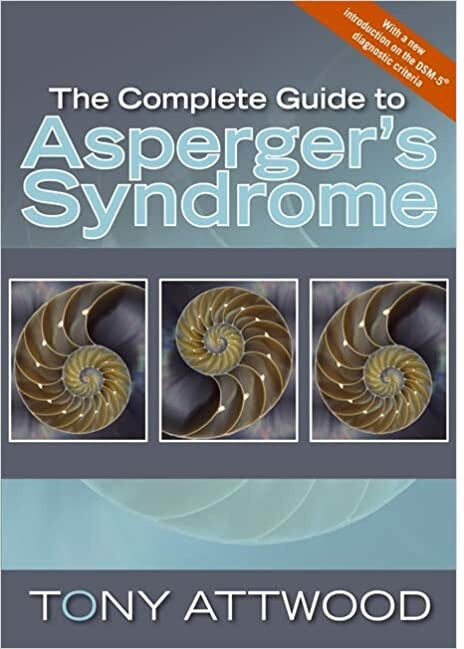
Jessica Kingsley Publishers The Complete Guide to Asperger's Syndrome by Tony Attwood"The Complete Guide to Asperger's Syndrome" is the definitive handbook for anyone affected by Asperger's syndrome (AS). It brings together a wealth of information on all aspects of the syndrome for children through to adults. Drawing on case studies and personal accounts from Attwood's extensive clinical experience, and from his correspondence with individuals with AS, this book is both authoritative and extremely accessible. The chapters examine: causes and indications of the syndrome; the diagnosis and its effect on the individual; theory of mind; the perception of emotions in self and others; social interaction, including friendships; long-term relationships; teasing, bullying and mental health issues; the effect of AS on language and cognitive abilities, sensory sensitivity, movement and co-ordination skills; and, career development. There is also an invaluable frequently asked questions chapter and a section listing useful resources for anyone wishing to find further information on a particular aspect of AS, as well as literature and educational tools. Essential reading for families and individuals affected by AS as well as teachers, professionals and employers coming in contact with people with AS, this book should be on the bookshelf of anyone who needs to know or is interested in this complex condition.19,65 £*Shipping: 2,99 £Secure redirect to the provider



-
Does the embryo have no heartbeat?
No, the embryo does not have a heartbeat. The heartbeat typically begins to develop around 5-6 weeks of pregnancy, when the embryo is still very small and its heart is just starting to form. Prior to this time, the embryo relies on the mother's circulation for oxygen and nutrients. Once the heart begins to beat, it is a significant milestone in the development of the embryo. **
-
Is an embryo or fetus parasitic?
No, an embryo or fetus is not considered parasitic. While it is true that an embryo or fetus relies on the mother's body for nourishment and support during pregnancy, it is not a parasite. A parasite is an organism that lives in or on another organism (the host) and benefits at the host's expense. In contrast, the relationship between a mother and her developing baby is a natural and symbiotic one, where both parties benefit from the relationship. **
-
Does an embryo go to heaven?
The question of whether an embryo goes to heaven is a matter of religious belief and interpretation. In some religious traditions, such as Christianity, there is debate and differing views on the status of embryos and when they are considered to have a soul. Some believe that embryos are considered to have a soul from the moment of conception and therefore would go to heaven if they do not survive. Others believe that the soul enters the body at a later stage of development. Ultimately, the belief about the fate of embryos is a deeply personal and religious matter. **
-
From when can an embryo feel pain?
The ability of an embryo to feel pain is a topic of debate among scientists and medical professionals. Some studies suggest that the neural pathways necessary for feeling pain may not be fully developed until the third trimester of pregnancy, around 24 weeks gestation. However, other research indicates that the ability to perceive pain may develop earlier, possibly around 20 weeks gestation. Ultimately, the exact point at which an embryo can feel pain is not definitively established and remains a complex and controversial issue. **

What is an embryo in the toilet?
An embryo in the toilet refers to the expulsion of a fertilized egg from the uterus during early stages of pregnancy. This can happen naturally as a result of a miscarriage or induced through medical procedures. Finding an embryo in the toilet can be a distressing experience for individuals and may require medical attention to ensure the health and well-being of the person involved. **
Can a mouse embryo still be saved?
Yes, a mouse embryo can potentially be saved through various techniques such as in vitro fertilization, embryo transfer, or cryopreservation. These methods can help to preserve and protect the embryo, allowing it to develop and potentially be implanted into a surrogate mother for further development. However, the success of saving a mouse embryo depends on various factors such as the health of the embryo, the expertise of the individuals handling the embryo, and the resources available for its care. **
Top-Angebote
Products related to Embryo:
-
Perfect Picks Market Geometric Building Blocks Set For Kids Early Education Intelligence Development Toy Geometric Building Blocks Set For Kids Early Education Intelligence Development ToyUnlock your child's potential with this early education equipment designed to stimulate creativity and intelligence! This geometric set is the perfect building block toy for boys, helping to develop problemsolving skills while having fun. The...35,97 $*Shipping: 0,00 $Secure redirect to the provider
-
Uplifted Finds Mental Health Awareness Acrylic Sign Psychology Motivational Decor For Counseling, Classroom & Office Mental Health Awareness Acrylic Sign Psychology Motivational Decor For Counseling, Classroom & Office"Foster a culture of resilience and wellness with our Mental Health Gift. This premium psychology motivational decoration is the ultimate designer solution for creating a ""MindfulSanctuary"" or ""PositiveFocus"" atmosphere in any home. Featuring a..."71,97 $*Shipping: 0,00 $Secure redirect to the provider
-
Did God create the embryo?
The belief that God created the embryo is a matter of faith and varies among different religious traditions. In many religious beliefs, it is believed that God is the ultimate creator of all life, including embryos. For example, in Christianity, it is believed that God is the creator of all life and that human life begins at conception. However, this belief is not universal, and there are differing views on when life begins and whether the embryo is directly created by God. Ultimately, the belief in God's role in creating the embryo is a deeply personal and spiritual matter. **
-
Is the embryo dead or not?
The status of an embryo as dead or alive depends on the specific circumstances. In general, an embryo is considered alive if it is developing and showing signs of growth and viability. However, if an embryo has ceased developing and does not show any signs of life, it may be considered dead. It is important to consult with medical professionals to determine the status of an embryo in a specific situation. **
-
Does the embryo have no heartbeat?
No, the embryo does not have a heartbeat. The heartbeat typically begins to develop around 5-6 weeks of pregnancy, when the embryo is still very small and its heart is just starting to form. Prior to this time, the embryo relies on the mother's circulation for oxygen and nutrients. Once the heart begins to beat, it is a significant milestone in the development of the embryo. **
-
Is an embryo or fetus parasitic?
No, an embryo or fetus is not considered parasitic. While it is true that an embryo or fetus relies on the mother's body for nourishment and support during pregnancy, it is not a parasite. A parasite is an organism that lives in or on another organism (the host) and benefits at the host's expense. In contrast, the relationship between a mother and her developing baby is a natural and symbiotic one, where both parties benefit from the relationship. **
Similar search terms for Embryo
-
In2Green Warrier Throw (Breast Cancer Awareness) PinkThese blankets wash well, stay soft, and hold up beautifully over time. Our signature knit and woven products are made from fiberized t-shirt clippings salvaged from industrial t-shirt manufacturers.195,00 $*Shipping: 0,00 $Secure redirect to the provider
-
Jessica Kingsley Publishers The Complete Guide to Asperger's Syndrome by Tony Attwood"The Complete Guide to Asperger's Syndrome" is the definitive handbook for anyone affected by Asperger's syndrome (AS). It brings together a wealth of information on all aspects of the syndrome for children through to adults. Drawing on case studies and personal accounts from Attwood's extensive clinical experience, and from his correspondence with individuals with AS, this book is both authoritative and extremely accessible. The chapters examine: causes and indications of the syndrome; the diagnosis and its effect on the individual; theory of mind; the perception of emotions in self and others; social interaction, including friendships; long-term relationships; teasing, bullying and mental health issues; the effect of AS on language and cognitive abilities, sensory sensitivity, movement and co-ordination skills; and, career development. There is also an invaluable frequently asked questions chapter and a section listing useful resources for anyone wishing to find further information on a particular aspect of AS, as well as literature and educational tools. Essential reading for families and individuals affected by AS as well as teachers, professionals and employers coming in contact with people with AS, this book should be on the bookshelf of anyone who needs to know or is interested in this complex condition.19,65 £*Shipping: 2,99 £Secure redirect to the provider
-
Does an embryo go to heaven?
The question of whether an embryo goes to heaven is a matter of religious belief and interpretation. In some religious traditions, such as Christianity, there is debate and differing views on the status of embryos and when they are considered to have a soul. Some believe that embryos are considered to have a soul from the moment of conception and therefore would go to heaven if they do not survive. Others believe that the soul enters the body at a later stage of development. Ultimately, the belief about the fate of embryos is a deeply personal and religious matter. **
-
From when can an embryo feel pain?
The ability of an embryo to feel pain is a topic of debate among scientists and medical professionals. Some studies suggest that the neural pathways necessary for feeling pain may not be fully developed until the third trimester of pregnancy, around 24 weeks gestation. However, other research indicates that the ability to perceive pain may develop earlier, possibly around 20 weeks gestation. Ultimately, the exact point at which an embryo can feel pain is not definitively established and remains a complex and controversial issue. **
-
What is an embryo in the toilet?
An embryo in the toilet refers to the expulsion of a fertilized egg from the uterus during early stages of pregnancy. This can happen naturally as a result of a miscarriage or induced through medical procedures. Finding an embryo in the toilet can be a distressing experience for individuals and may require medical attention to ensure the health and well-being of the person involved. **
-
Can a mouse embryo still be saved?
Yes, a mouse embryo can potentially be saved through various techniques such as in vitro fertilization, embryo transfer, or cryopreservation. These methods can help to preserve and protect the embryo, allowing it to develop and potentially be implanted into a surrogate mother for further development. However, the success of saving a mouse embryo depends on various factors such as the health of the embryo, the expertise of the individuals handling the embryo, and the resources available for its care. **
* All prices are inclusive of VAT and, if applicable, plus shipping costs. The offer information is based on the details provided by the respective shop and is updated through automated processes. Real-time updates do not occur, so deviations can occur in individual cases. ** Note: Parts of this content were created by AI.