Buy down-syndrome.eu ?
We are moving the project
down-syndrome.eu .
Are you interested in purchasing the domain
down-syndrome.eu ?
domain@kv-gmbh.de · 0541-91531010
Buy down-syndrome.eu ?
Are children fertile?
Children are not fertile as they have not reached sexual maturity. Fertility refers to the ability to conceive and reproduce, which typically begins during puberty. Children do not have fully developed reproductive systems and are not physically or emotionally ready for parenthood. It is important for children to focus on their growth and development before considering starting a family. **
Are hermaphrodites fertile?
Hermaphrodites can be fertile, depending on the species. In some hermaphroditic organisms, both male and female reproductive organs are functional and can produce offspring. However, in other cases, hermaphrodites may have reduced fertility or be sterile. It ultimately depends on the specific biology and reproductive capabilities of the individual hermaphrodite. **


Similar search terms for Fertile
Top-Angebote
Products related to Fertile:
-
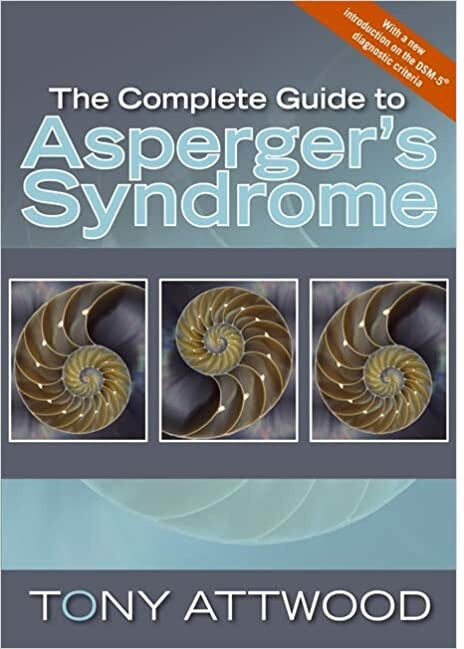
Jessica Kingsley Publishers The Complete Guide to Asperger's Syndrome by Tony Attwood"The Complete Guide to Asperger's Syndrome" is the definitive handbook for anyone affected by Asperger's syndrome (AS). It brings together a wealth of information on all aspects of the syndrome for children through to adults. Drawing on case studies and personal accounts from Attwood's extensive clinical experience, and from his correspondence with individuals with AS, this book is both authoritative and extremely accessible. The chapters examine: causes and indications of the syndrome; the diagnosis and its effect on the individual; theory of mind; the perception of emotions in self and others; social interaction, including friendships; long-term relationships; teasing, bullying and mental health issues; the effect of AS on language and cognitive abilities, sensory sensitivity, movement and co-ordination skills; and, career development. There is also an invaluable frequently asked questions chapter and a section listing useful resources for anyone wishing to find further information on a particular aspect of AS, as well as literature and educational tools. Essential reading for families and individuals affected by AS as well as teachers, professionals and employers coming in contact with people with AS, this book should be on the bookshelf of anyone who needs to know or is interested in this complex condition.19,65 £*Shipping: 2,99 £Secure redirect to the provider
-
In2Green Warrier Throw (Breast Cancer Awareness) PinkThese blankets wash well, stay soft, and hold up beautifully over time. Our signature knit and woven products are made from fiberized t-shirt clippings salvaged from industrial t-shirt manufacturers.195,00 $*Shipping: 0,00 $Secure redirect to the provider



-
What are fertile offspring?
Fertile offspring are the offspring of two organisms that are capable of reproducing and producing their own viable offspring. In other words, fertile offspring are able to successfully mate and produce offspring of their own, ensuring the continuation of the species. This is in contrast to infertile offspring, which are unable to reproduce. Fertile offspring are essential for the survival and propagation of a species. **
-
When are the fertile days?
The fertile days for a person with a regular 28-day menstrual cycle typically fall around days 10 to 17 of their cycle. This is when ovulation usually occurs, and the egg is released from the ovary, ready to be fertilized by sperm. It's important to note that everyone's cycle is different, so tracking ovulation signs such as changes in cervical mucus, basal body temperature, and using ovulation predictor kits can help determine the most fertile days for an individual. **
-
Can a sea be fertile?
Yes, a sea can be fertile. Fertility in the sea refers to the ability of the water to support a diverse and abundant marine ecosystem. This can be influenced by factors such as nutrient availability, sunlight penetration, and water temperature. For example, the upwelling of nutrient-rich waters in certain areas can lead to high levels of productivity and fertility in the sea, supporting a wide variety of marine life. **
-
What is a fertile moment?
A fertile moment refers to a period in a woman's menstrual cycle when she is most likely to conceive. This typically occurs around the time of ovulation, when an egg is released from the ovary and is available for fertilization. Fertile moments can vary from woman to woman and can be influenced by factors such as the length of the menstrual cycle and the regularity of ovulation. Understanding when fertile moments occur can be helpful for couples who are trying to conceive, as it can increase the chances of successful fertilization. **

Is ovulation possible without fertile cervical mucus?
Yes, ovulation is possible without fertile cervical mucus. While fertile cervical mucus can help facilitate the journey of sperm to the egg, it is not a requirement for ovulation to occur. Ovulation is the release of an egg from the ovary, and it can happen even if there is minimal or no fertile cervical mucus present. However, fertile cervical mucus can increase the chances of conception by providing a more hospitable environment for sperm to survive and reach the egg. **
What are the fertile days during ovulation?
The fertile days during ovulation are typically the days leading up to and including the day of ovulation itself. This usually occurs around the middle of a woman's menstrual cycle, approximately 12-16 days before the start of her next period. During this time, the egg is released from the ovary and is available for fertilization by sperm, making conception more likely. It's important to note that sperm can survive in the female reproductive tract for up to 5 days, so having intercourse in the days leading up to ovulation can also result in pregnancy. **
Top-Angebote
Products related to Fertile:
-
Perfect Picks Market Geometric Building Blocks Set For Kids Early Education Intelligence Development Toy Geometric Building Blocks Set For Kids Early Education Intelligence Development ToyUnlock your child's potential with this early education equipment designed to stimulate creativity and intelligence! This geometric set is the perfect building block toy for boys, helping to develop problemsolving skills while having fun. The...35,97 $*Shipping: 0,00 $Secure redirect to the provider
-
Uplifted Finds Mental Health Awareness Acrylic Sign Psychology Motivational Decor For Counseling, Classroom & Office Mental Health Awareness Acrylic Sign Psychology Motivational Decor For Counseling, Classroom & Office"Foster a culture of resilience and wellness with our Mental Health Gift. This premium psychology motivational decoration is the ultimate designer solution for creating a ""MindfulSanctuary"" or ""PositiveFocus"" atmosphere in any home. Featuring a..."71,97 $*Shipping: 0,00 $Secure redirect to the provider
-
Are children fertile?
Children are not fertile as they have not reached sexual maturity. Fertility refers to the ability to conceive and reproduce, which typically begins during puberty. Children do not have fully developed reproductive systems and are not physically or emotionally ready for parenthood. It is important for children to focus on their growth and development before considering starting a family. **
-
Are hermaphrodites fertile?
Hermaphrodites can be fertile, depending on the species. In some hermaphroditic organisms, both male and female reproductive organs are functional and can produce offspring. However, in other cases, hermaphrodites may have reduced fertility or be sterile. It ultimately depends on the specific biology and reproductive capabilities of the individual hermaphrodite. **
-
What are fertile offspring?
Fertile offspring are the offspring of two organisms that are capable of reproducing and producing their own viable offspring. In other words, fertile offspring are able to successfully mate and produce offspring of their own, ensuring the continuation of the species. This is in contrast to infertile offspring, which are unable to reproduce. Fertile offspring are essential for the survival and propagation of a species. **
-
When are the fertile days?
The fertile days for a person with a regular 28-day menstrual cycle typically fall around days 10 to 17 of their cycle. This is when ovulation usually occurs, and the egg is released from the ovary, ready to be fertilized by sperm. It's important to note that everyone's cycle is different, so tracking ovulation signs such as changes in cervical mucus, basal body temperature, and using ovulation predictor kits can help determine the most fertile days for an individual. **
Similar search terms for Fertile
-
Jessica Kingsley Publishers The Complete Guide to Asperger's Syndrome by Tony Attwood"The Complete Guide to Asperger's Syndrome" is the definitive handbook for anyone affected by Asperger's syndrome (AS). It brings together a wealth of information on all aspects of the syndrome for children through to adults. Drawing on case studies and personal accounts from Attwood's extensive clinical experience, and from his correspondence with individuals with AS, this book is both authoritative and extremely accessible. The chapters examine: causes and indications of the syndrome; the diagnosis and its effect on the individual; theory of mind; the perception of emotions in self and others; social interaction, including friendships; long-term relationships; teasing, bullying and mental health issues; the effect of AS on language and cognitive abilities, sensory sensitivity, movement and co-ordination skills; and, career development. There is also an invaluable frequently asked questions chapter and a section listing useful resources for anyone wishing to find further information on a particular aspect of AS, as well as literature and educational tools. Essential reading for families and individuals affected by AS as well as teachers, professionals and employers coming in contact with people with AS, this book should be on the bookshelf of anyone who needs to know or is interested in this complex condition.19,65 £*Shipping: 2,99 £Secure redirect to the provider
-
In2Green Warrier Throw (Breast Cancer Awareness) PinkThese blankets wash well, stay soft, and hold up beautifully over time. Our signature knit and woven products are made from fiberized t-shirt clippings salvaged from industrial t-shirt manufacturers.195,00 $*Shipping: 0,00 $Secure redirect to the provider
-
Can a sea be fertile?
Yes, a sea can be fertile. Fertility in the sea refers to the ability of the water to support a diverse and abundant marine ecosystem. This can be influenced by factors such as nutrient availability, sunlight penetration, and water temperature. For example, the upwelling of nutrient-rich waters in certain areas can lead to high levels of productivity and fertility in the sea, supporting a wide variety of marine life. **
-
What is a fertile moment?
A fertile moment refers to a period in a woman's menstrual cycle when she is most likely to conceive. This typically occurs around the time of ovulation, when an egg is released from the ovary and is available for fertilization. Fertile moments can vary from woman to woman and can be influenced by factors such as the length of the menstrual cycle and the regularity of ovulation. Understanding when fertile moments occur can be helpful for couples who are trying to conceive, as it can increase the chances of successful fertilization. **
-
Is ovulation possible without fertile cervical mucus?
Yes, ovulation is possible without fertile cervical mucus. While fertile cervical mucus can help facilitate the journey of sperm to the egg, it is not a requirement for ovulation to occur. Ovulation is the release of an egg from the ovary, and it can happen even if there is minimal or no fertile cervical mucus present. However, fertile cervical mucus can increase the chances of conception by providing a more hospitable environment for sperm to survive and reach the egg. **
-
What are the fertile days during ovulation?
The fertile days during ovulation are typically the days leading up to and including the day of ovulation itself. This usually occurs around the middle of a woman's menstrual cycle, approximately 12-16 days before the start of her next period. During this time, the egg is released from the ovary and is available for fertilization by sperm, making conception more likely. It's important to note that sperm can survive in the female reproductive tract for up to 5 days, so having intercourse in the days leading up to ovulation can also result in pregnancy. **
* All prices are inclusive of VAT and, if applicable, plus shipping costs. The offer information is based on the details provided by the respective shop and is updated through automated processes. Real-time updates do not occur, so deviations can occur in individual cases. ** Note: Parts of this content were created by AI.