Buy down-syndrome.eu ?
We are moving the project
down-syndrome.eu .
Are you interested in purchasing the domain
down-syndrome.eu ?
domain@kv-gmbh.de · 0541-91531010
Buy down-syndrome.eu ?
What is the difference between factual judgment and value judgment?
Factual judgment is based on objective, verifiable information and evidence, while value judgment is based on subjective beliefs, opinions, and personal values. Factual judgment can be proven or disproven with evidence, while value judgment is based on individual perspectives and cannot be objectively proven. Factual judgment is often used in scientific, logical, or empirical reasoning, while value judgment is often used in ethical, moral, or personal decision-making. **
Is the judgment final?
Yes, the judgment is final. Once a judgment has been made by a court, it is legally binding and cannot be changed unless there are specific legal grounds for an appeal or modification. Parties involved in the case must abide by the judgment and its terms, and failure to do so can result in legal consequences. It is important to carefully consider the implications of a judgment before it is made, as it is difficult to reverse once it has been finalized. **


Similar search terms for Judgment
Top-Angebote
Products related to Judgment:
-
In2Green Warrier Throw (Breast Cancer Awareness) PinkThese blankets wash well, stay soft, and hold up beautifully over time. Our signature knit and woven products are made from fiberized t-shirt clippings salvaged from industrial t-shirt manufacturers.195,00 $*Shipping: 0,00 $Secure redirect to the provider
-
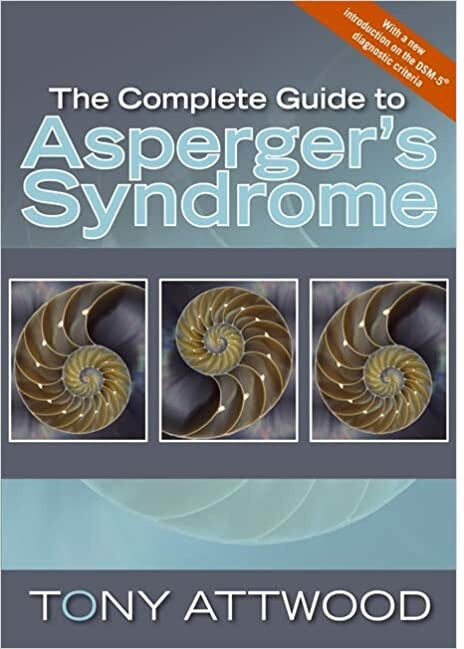
Jessica Kingsley Publishers The Complete Guide to Asperger's Syndrome by Tony Attwood"The Complete Guide to Asperger's Syndrome" is the definitive handbook for anyone affected by Asperger's syndrome (AS). It brings together a wealth of information on all aspects of the syndrome for children through to adults. Drawing on case studies and personal accounts from Attwood's extensive clinical experience, and from his correspondence with individuals with AS, this book is both authoritative and extremely accessible. The chapters examine: causes and indications of the syndrome; the diagnosis and its effect on the individual; theory of mind; the perception of emotions in self and others; social interaction, including friendships; long-term relationships; teasing, bullying and mental health issues; the effect of AS on language and cognitive abilities, sensory sensitivity, movement and co-ordination skills; and, career development. There is also an invaluable frequently asked questions chapter and a section listing useful resources for anyone wishing to find further information on a particular aspect of AS, as well as literature and educational tools. Essential reading for families and individuals affected by AS as well as teachers, professionals and employers coming in contact with people with AS, this book should be on the bookshelf of anyone who needs to know or is interested in this complex condition.19,65 £*Shipping: 2,99 £Secure redirect to the provider



-
What is the difference between a factual judgment and a value judgment?
A factual judgment is based on verifiable evidence and objective information, while a value judgment is based on personal beliefs, preferences, or moral principles. Factual judgments can be proven or disproven through evidence and logic, while value judgments are subjective and influenced by individual perspectives and values. Factual judgments deal with what is true or false, while value judgments deal with what is good or bad, right or wrong based on personal values and beliefs. **
-
What is the difference between a value judgment and a factual judgment?
A value judgment is an opinion or assessment based on personal beliefs, preferences, or moral principles. It is subjective and reflects the individual's values and attitudes. On the other hand, a factual judgment is based on verifiable evidence, data, or observations. It is objective and can be proven or disproven through empirical evidence. In summary, the main difference between the two is that value judgments are based on personal values and beliefs, while factual judgments are based on objective evidence. **
-
What is the value judgment and the factual judgment about the Crusades?
The value judgment about the Crusades is that they were a series of religiously motivated wars that resulted in significant loss of life and suffering, and were ultimately a negative and destructive force in history. The factual judgment about the Crusades is that they were a series of military campaigns sanctioned by the Latin Church in the medieval period, with the goal of capturing Jerusalem and other holy sites from Muslim control. The Crusades had a lasting impact on the political, social, and religious dynamics of Europe and the Middle East. **
-
What is the difference between a regular judgment and a moral judgment?
A regular judgment is based on objective criteria, such as evidence, facts, and logic, while a moral judgment is based on subjective beliefs about what is right or wrong. Regular judgments are often made in legal or professional contexts, while moral judgments are more personal and based on individual values and ethics. Regular judgments are often used to make decisions in a fair and impartial manner, while moral judgments are influenced by emotions, cultural norms, and personal experiences. **


How long does the Day of Judgment and the Last Judgment last?
The Day of Judgment and the Last Judgment are concepts found in various religious traditions, including Christianity and Islam. In Christianity, the Last Judgment is believed to be the final judgment of all humanity by God, and it is said to occur at the end of time. The duration of the Last Judgment is not specified in Christian teachings. In Islam, the Day of Judgment is also the final assessment of humanity by Allah, and it is said to last for a period of 50,000 years according to Islamic tradition. However, the exact duration of the Last Judgment is ultimately a matter of faith and interpretation within each religious tradition. **
Is it always correct to make a factual judgment before a value judgment?
It is not always necessary to make a factual judgment before a value judgment. While factual judgments provide important information and context, value judgments are subjective and based on personal beliefs and principles. In some cases, individuals may prioritize their values over factual information when making decisions. It is important to consider both factual and value judgments in order to make well-rounded and informed decisions. **
Top-Angebote
Products related to Judgment:
-
Perfect Picks Market Geometric Building Blocks Set For Kids Early Education Intelligence Development Toy Geometric Building Blocks Set For Kids Early Education Intelligence Development ToyUnlock your child's potential with this early education equipment designed to stimulate creativity and intelligence! This geometric set is the perfect building block toy for boys, helping to develop problemsolving skills while having fun. The...35,97 $*Shipping: 0,00 $Secure redirect to the provider
-
Uplifted Finds Mental Health Awareness Acrylic Sign Psychology Motivational Decor For Counseling, Classroom & Office Mental Health Awareness Acrylic Sign Psychology Motivational Decor For Counseling, Classroom & Office"Foster a culture of resilience and wellness with our Mental Health Gift. This premium psychology motivational decoration is the ultimate designer solution for creating a ""MindfulSanctuary"" or ""PositiveFocus"" atmosphere in any home. Featuring a..."71,97 $*Shipping: 0,00 $Secure redirect to the provider
-
What is the difference between factual judgment and value judgment?
Factual judgment is based on objective, verifiable information and evidence, while value judgment is based on subjective beliefs, opinions, and personal values. Factual judgment can be proven or disproven with evidence, while value judgment is based on individual perspectives and cannot be objectively proven. Factual judgment is often used in scientific, logical, or empirical reasoning, while value judgment is often used in ethical, moral, or personal decision-making. **
-
Is the judgment final?
Yes, the judgment is final. Once a judgment has been made by a court, it is legally binding and cannot be changed unless there are specific legal grounds for an appeal or modification. Parties involved in the case must abide by the judgment and its terms, and failure to do so can result in legal consequences. It is important to carefully consider the implications of a judgment before it is made, as it is difficult to reverse once it has been finalized. **
-
What is the difference between a factual judgment and a value judgment?
A factual judgment is based on verifiable evidence and objective information, while a value judgment is based on personal beliefs, preferences, or moral principles. Factual judgments can be proven or disproven through evidence and logic, while value judgments are subjective and influenced by individual perspectives and values. Factual judgments deal with what is true or false, while value judgments deal with what is good or bad, right or wrong based on personal values and beliefs. **
-
What is the difference between a value judgment and a factual judgment?
A value judgment is an opinion or assessment based on personal beliefs, preferences, or moral principles. It is subjective and reflects the individual's values and attitudes. On the other hand, a factual judgment is based on verifiable evidence, data, or observations. It is objective and can be proven or disproven through empirical evidence. In summary, the main difference between the two is that value judgments are based on personal values and beliefs, while factual judgments are based on objective evidence. **
Similar search terms for Judgment
-
In2Green Warrier Throw (Breast Cancer Awareness) PinkThese blankets wash well, stay soft, and hold up beautifully over time. Our signature knit and woven products are made from fiberized t-shirt clippings salvaged from industrial t-shirt manufacturers.195,00 $*Shipping: 0,00 $Secure redirect to the provider
-
Jessica Kingsley Publishers The Complete Guide to Asperger's Syndrome by Tony Attwood"The Complete Guide to Asperger's Syndrome" is the definitive handbook for anyone affected by Asperger's syndrome (AS). It brings together a wealth of information on all aspects of the syndrome for children through to adults. Drawing on case studies and personal accounts from Attwood's extensive clinical experience, and from his correspondence with individuals with AS, this book is both authoritative and extremely accessible. The chapters examine: causes and indications of the syndrome; the diagnosis and its effect on the individual; theory of mind; the perception of emotions in self and others; social interaction, including friendships; long-term relationships; teasing, bullying and mental health issues; the effect of AS on language and cognitive abilities, sensory sensitivity, movement and co-ordination skills; and, career development. There is also an invaluable frequently asked questions chapter and a section listing useful resources for anyone wishing to find further information on a particular aspect of AS, as well as literature and educational tools. Essential reading for families and individuals affected by AS as well as teachers, professionals and employers coming in contact with people with AS, this book should be on the bookshelf of anyone who needs to know or is interested in this complex condition.19,65 £*Shipping: 2,99 £Secure redirect to the provider
-
What is the value judgment and the factual judgment about the Crusades?
The value judgment about the Crusades is that they were a series of religiously motivated wars that resulted in significant loss of life and suffering, and were ultimately a negative and destructive force in history. The factual judgment about the Crusades is that they were a series of military campaigns sanctioned by the Latin Church in the medieval period, with the goal of capturing Jerusalem and other holy sites from Muslim control. The Crusades had a lasting impact on the political, social, and religious dynamics of Europe and the Middle East. **
-
What is the difference between a regular judgment and a moral judgment?
A regular judgment is based on objective criteria, such as evidence, facts, and logic, while a moral judgment is based on subjective beliefs about what is right or wrong. Regular judgments are often made in legal or professional contexts, while moral judgments are more personal and based on individual values and ethics. Regular judgments are often used to make decisions in a fair and impartial manner, while moral judgments are influenced by emotions, cultural norms, and personal experiences. **
-
How long does the Day of Judgment and the Last Judgment last?
The Day of Judgment and the Last Judgment are concepts found in various religious traditions, including Christianity and Islam. In Christianity, the Last Judgment is believed to be the final judgment of all humanity by God, and it is said to occur at the end of time. The duration of the Last Judgment is not specified in Christian teachings. In Islam, the Day of Judgment is also the final assessment of humanity by Allah, and it is said to last for a period of 50,000 years according to Islamic tradition. However, the exact duration of the Last Judgment is ultimately a matter of faith and interpretation within each religious tradition. **
-
Is it always correct to make a factual judgment before a value judgment?
It is not always necessary to make a factual judgment before a value judgment. While factual judgments provide important information and context, value judgments are subjective and based on personal beliefs and principles. In some cases, individuals may prioritize their values over factual information when making decisions. It is important to consider both factual and value judgments in order to make well-rounded and informed decisions. **
* All prices are inclusive of VAT and, if applicable, plus shipping costs. The offer information is based on the details provided by the respective shop and is updated through automated processes. Real-time updates do not occur, so deviations can occur in individual cases. ** Note: Parts of this content were created by AI.