Buy down-syndrome.eu ?
We are moving the project
down-syndrome.eu .
Are you interested in purchasing the domain
down-syndrome.eu ?
domain@kv-gmbh.de · 0541-91531010
Buy down-syndrome.eu ?
Is the friend possessive?
Yes, the friend is possessive. This is evident from the fact that they are trying to control the narrator's actions and decisions, as well as expressing jealousy and possessiveness over the narrator's other relationships. The friend's possessive behavior is unhealthy and can be damaging to the narrator's well-being and independence. It is important for the narrator to set boundaries and communicate their needs in order to maintain a healthy friendship. **
What does possessive mean?
Possessive refers to showing ownership or control over something. It is used to indicate that something belongs to or is associated with a particular person or thing. In grammar, possessive forms are used to show that a noun belongs to someone or something. **

Similar search terms for Possessive
Top-Angebote
Products related to Possessive:
-
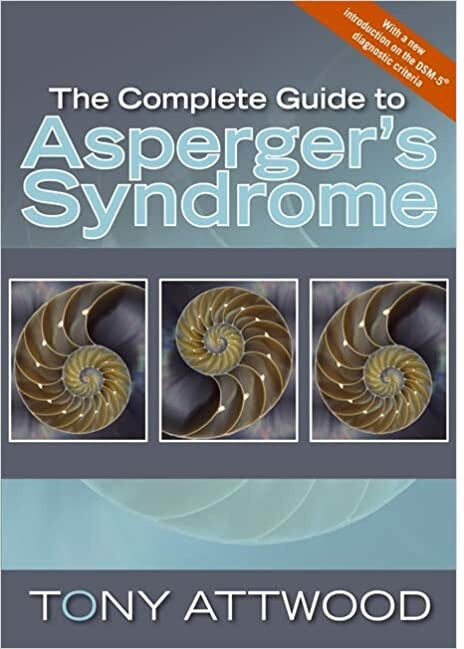
Jessica Kingsley Publishers The Complete Guide to Asperger's Syndrome by Tony Attwood"The Complete Guide to Asperger's Syndrome" is the definitive handbook for anyone affected by Asperger's syndrome (AS). It brings together a wealth of information on all aspects of the syndrome for children through to adults. Drawing on case studies and personal accounts from Attwood's extensive clinical experience, and from his correspondence with individuals with AS, this book is both authoritative and extremely accessible. The chapters examine: causes and indications of the syndrome; the diagnosis and its effect on the individual; theory of mind; the perception of emotions in self and others; social interaction, including friendships; long-term relationships; teasing, bullying and mental health issues; the effect of AS on language and cognitive abilities, sensory sensitivity, movement and co-ordination skills; and, career development. There is also an invaluable frequently asked questions chapter and a section listing useful resources for anyone wishing to find further information on a particular aspect of AS, as well as literature and educational tools. Essential reading for families and individuals affected by AS as well as teachers, professionals and employers coming in contact with people with AS, this book should be on the bookshelf of anyone who needs to know or is interested in this complex condition.19,65 £*Shipping: 2,99 £Secure redirect to the provider
-
Happy Pet Pantry Dog Probiotics Drops For Gut Health Digestive & Immune Support Supplement Dog Probiotics Drops For Gut Health Digestive & Immune Support SupplementDigestive discomfort can affect your dogs energy, mood, and overall happiness. dog probiotics drops are a liquid canine digestive supplement formulated to support balanced digestion, nutrient absorption, and everyday wellness. Designed to promote...32,97 $*Shipping: 0,00 $Secure redirect to the provider


-
Are friends so possessive?
Friends can sometimes exhibit possessive behavior, especially if they feel insecure or threatened by the possibility of losing the friendship. This can manifest in actions such as wanting to control who their friend spends time with, becoming jealous of other friendships, or feeling entitled to their friend's time and attention. However, healthy friendships are built on trust, respect, and mutual support, and should not be based on possessiveness. It's important for friends to communicate openly and set boundaries to ensure a balanced and respectful relationship. **
-
What are possessive adjectives?
Possessive adjectives are used to indicate ownership or possession of a noun. They are placed before the noun and agree in gender and number with the noun they modify. In English, possessive adjectives include words like "my," "your," "his," "her," "its," "our," and "their." For example, in the sentence "I love my dog," "my" is a possessive adjective indicating that the dog belongs to the speaker. **
-
What is the difference between a possessive pronoun and a possessive adjective?
A possessive pronoun replaces a noun and shows ownership or possession, such as "mine," "yours," "his," "hers," "ours," and "theirs." On the other hand, a possessive adjective modifies a noun to show ownership or possession, such as "my," "your," "his," "her," "our," and "their." In essence, possessive pronouns stand alone, while possessive adjectives are used before a noun to describe who owns or possesses it. **
-
What is the difference between possessive pronouns and possessive determiners in French?
Possessive pronouns in French replace a noun and show who it belongs to, such as "le mien" (mine) or "la sienne" (hers). Possessive determiners, on the other hand, come before the noun and indicate who it belongs to, such as "mon" (my) or "son" (his/her). In summary, possessive pronouns replace the noun, while possessive determiners come before the noun to indicate possession. **


What does "possessive buddy" mean?
"Possessive buddy" refers to a friend or acquaintance who exhibits possessive behavior towards you. This can include being overly protective, jealous, or controlling in the relationship. It may stem from insecurity or a fear of losing your friendship. It's important to set boundaries and communicate openly with a possessive buddy to maintain a healthy and balanced friendship. **
What is a possessive determiner?
A possessive determiner is a word that is used before a noun to show ownership or possession. Examples of possessive determiners include words like "my," "your," "his," "her," "its," "our," and "their." These determiners indicate who the noun belongs to or is associated with. **
Top-Angebote
Products related to Possessive:
-
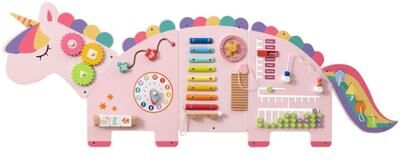
Perfect Picks Market Geometric Building Blocks Set For Kids Early Education Intelligence Development Toy Geometric Building Blocks Set For Kids Early Education Intelligence Development ToyUnlock your child's potential with this early education equipment designed to stimulate creativity and intelligence! This geometric set is the perfect building block toy for boys, helping to develop problemsolving skills while having fun. The...35,97 $*Shipping: 0,00 $Secure redirect to the provider
-
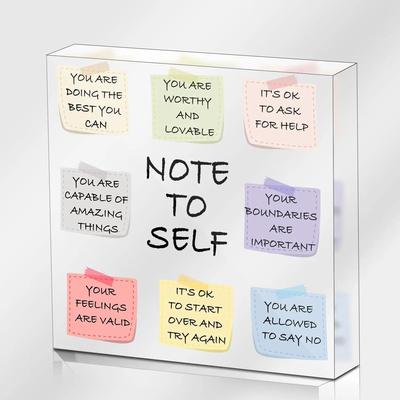
Uplifted Finds Mental Health Awareness Acrylic Sign Psychology Motivational Decor For Counseling, Classroom & Office Mental Health Awareness Acrylic Sign Psychology Motivational Decor For Counseling, Classroom & Office"Foster a culture of resilience and wellness with our Mental Health Gift. This premium psychology motivational decoration is the ultimate designer solution for creating a ""MindfulSanctuary"" or ""PositiveFocus"" atmosphere in any home. Featuring a..."71,97 $*Shipping: 0,00 $Secure redirect to the provider
-
Is the friend possessive?
Yes, the friend is possessive. This is evident from the fact that they are trying to control the narrator's actions and decisions, as well as expressing jealousy and possessiveness over the narrator's other relationships. The friend's possessive behavior is unhealthy and can be damaging to the narrator's well-being and independence. It is important for the narrator to set boundaries and communicate their needs in order to maintain a healthy friendship. **
-
What does possessive mean?
Possessive refers to showing ownership or control over something. It is used to indicate that something belongs to or is associated with a particular person or thing. In grammar, possessive forms are used to show that a noun belongs to someone or something. **
-
Are friends so possessive?
Friends can sometimes exhibit possessive behavior, especially if they feel insecure or threatened by the possibility of losing the friendship. This can manifest in actions such as wanting to control who their friend spends time with, becoming jealous of other friendships, or feeling entitled to their friend's time and attention. However, healthy friendships are built on trust, respect, and mutual support, and should not be based on possessiveness. It's important for friends to communicate openly and set boundaries to ensure a balanced and respectful relationship. **
-
What are possessive adjectives?
Possessive adjectives are used to indicate ownership or possession of a noun. They are placed before the noun and agree in gender and number with the noun they modify. In English, possessive adjectives include words like "my," "your," "his," "her," "its," "our," and "their." For example, in the sentence "I love my dog," "my" is a possessive adjective indicating that the dog belongs to the speaker. **
Similar search terms for Possessive
-
Jessica Kingsley Publishers The Complete Guide to Asperger's Syndrome by Tony Attwood"The Complete Guide to Asperger's Syndrome" is the definitive handbook for anyone affected by Asperger's syndrome (AS). It brings together a wealth of information on all aspects of the syndrome for children through to adults. Drawing on case studies and personal accounts from Attwood's extensive clinical experience, and from his correspondence with individuals with AS, this book is both authoritative and extremely accessible. The chapters examine: causes and indications of the syndrome; the diagnosis and its effect on the individual; theory of mind; the perception of emotions in self and others; social interaction, including friendships; long-term relationships; teasing, bullying and mental health issues; the effect of AS on language and cognitive abilities, sensory sensitivity, movement and co-ordination skills; and, career development. There is also an invaluable frequently asked questions chapter and a section listing useful resources for anyone wishing to find further information on a particular aspect of AS, as well as literature and educational tools. Essential reading for families and individuals affected by AS as well as teachers, professionals and employers coming in contact with people with AS, this book should be on the bookshelf of anyone who needs to know or is interested in this complex condition.19,65 £*Shipping: 2,99 £Secure redirect to the provider
-
Happy Pet Pantry Dog Probiotics Drops For Gut Health Digestive & Immune Support Supplement Dog Probiotics Drops For Gut Health Digestive & Immune Support SupplementDigestive discomfort can affect your dogs energy, mood, and overall happiness. dog probiotics drops are a liquid canine digestive supplement formulated to support balanced digestion, nutrient absorption, and everyday wellness. Designed to promote...32,97 $*Shipping: 0,00 $Secure redirect to the provider
-
Happy Pet Pantry Cat Probiotic Drops For Gut Health & Digestive Balance Support Supplement Cat Probiotic Drops For Gut Health & Digestive Balance Support SupplementWhen your cats digestion is off, everything from mood to energy can be affected. These cat probiotic drops are designed to gently restore balance and support a healthier digestive system from the inside out. Formulated for daily use, they help...39,97 $*Shipping: 0,00 $Secure redirect to the provider
-
What is the difference between a possessive pronoun and a possessive adjective?
A possessive pronoun replaces a noun and shows ownership or possession, such as "mine," "yours," "his," "hers," "ours," and "theirs." On the other hand, a possessive adjective modifies a noun to show ownership or possession, such as "my," "your," "his," "her," "our," and "their." In essence, possessive pronouns stand alone, while possessive adjectives are used before a noun to describe who owns or possesses it. **
-
What is the difference between possessive pronouns and possessive determiners in French?
Possessive pronouns in French replace a noun and show who it belongs to, such as "le mien" (mine) or "la sienne" (hers). Possessive determiners, on the other hand, come before the noun and indicate who it belongs to, such as "mon" (my) or "son" (his/her). In summary, possessive pronouns replace the noun, while possessive determiners come before the noun to indicate possession. **
-
What does "possessive buddy" mean?
"Possessive buddy" refers to a friend or acquaintance who exhibits possessive behavior towards you. This can include being overly protective, jealous, or controlling in the relationship. It may stem from insecurity or a fear of losing your friendship. It's important to set boundaries and communicate openly with a possessive buddy to maintain a healthy and balanced friendship. **
-
What is a possessive determiner?
A possessive determiner is a word that is used before a noun to show ownership or possession. Examples of possessive determiners include words like "my," "your," "his," "her," "its," "our," and "their." These determiners indicate who the noun belongs to or is associated with. **
* All prices are inclusive of VAT and, if applicable, plus shipping costs. The offer information is based on the details provided by the respective shop and is updated through automated processes. Real-time updates do not occur, so deviations can occur in individual cases. ** Note: Parts of this content were created by AI.