Buy down-syndrome.eu ?
We are moving the project
down-syndrome.eu .
Are you interested in purchasing the domain
down-syndrome.eu ?
domain@kv-gmbh.de · 0541-91531010
Buy down-syndrome.eu ?
Is possessiveness a disease?
Possessiveness is not considered a disease in the medical sense, but it can be a harmful trait that negatively impacts relationships and mental well-being. Excessive possessiveness can lead to controlling behavior, jealousy, and insecurity, which can strain relationships and cause distress for both the possessive individual and their partner. It is important to address possessiveness through communication, self-reflection, and potentially seeking therapy to work through underlying issues that may be contributing to this behavior. **
Is possessiveness also present in marriage?
Yes, possessiveness can be present in marriage. It can stem from feelings of insecurity, fear of losing one's partner, or a desire to control the relationship. While some level of possessiveness is normal in a romantic relationship, it can become unhealthy if it leads to jealousy, controlling behavior, or lack of trust. It is important for couples to communicate openly, set boundaries, and work on building trust to prevent possessiveness from negatively impacting their marriage. **

Similar search terms for Possessiveness
Top-Angebote
Products related to Possessiveness:
-
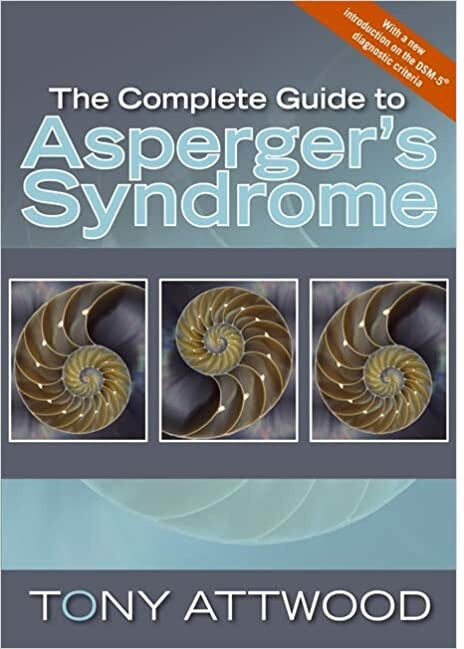
Jessica Kingsley Publishers The Complete Guide to Asperger's Syndrome by Tony Attwood"The Complete Guide to Asperger's Syndrome" is the definitive handbook for anyone affected by Asperger's syndrome (AS). It brings together a wealth of information on all aspects of the syndrome for children through to adults. Drawing on case studies and personal accounts from Attwood's extensive clinical experience, and from his correspondence with individuals with AS, this book is both authoritative and extremely accessible. The chapters examine: causes and indications of the syndrome; the diagnosis and its effect on the individual; theory of mind; the perception of emotions in self and others; social interaction, including friendships; long-term relationships; teasing, bullying and mental health issues; the effect of AS on language and cognitive abilities, sensory sensitivity, movement and co-ordination skills; and, career development. There is also an invaluable frequently asked questions chapter and a section listing useful resources for anyone wishing to find further information on a particular aspect of AS, as well as literature and educational tools. Essential reading for families and individuals affected by AS as well as teachers, professionals and employers coming in contact with people with AS, this book should be on the bookshelf of anyone who needs to know or is interested in this complex condition.19,65 £*Shipping: 2,99 £Secure redirect to the provider
-
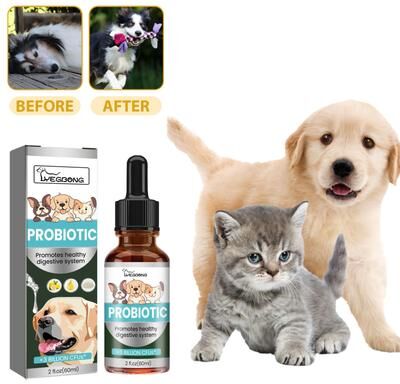
Happy Pet Pantry Dog Probiotics Drops For Gut Health Digestive & Immune Support Supplement Dog Probiotics Drops For Gut Health Digestive & Immune Support SupplementDigestive discomfort can affect your dogs energy, mood, and overall happiness. dog probiotics drops are a liquid canine digestive supplement formulated to support balanced digestion, nutrient absorption, and everyday wellness. Designed to promote...32,97 $*Shipping: 0,00 $Secure redirect to the provider

-
What is the difference between possessiveness and jealousy?
Possessiveness is the desire to control or own something or someone, often stemming from a sense of ownership or entitlement. It can manifest as wanting to have power over a person or object. Jealousy, on the other hand, is an emotional response to a perceived threat or loss of something valuable, such as a relationship or possession. It often involves feelings of insecurity, fear of abandonment, or competition with others. While possessiveness is more about control and ownership, jealousy is more about fear of losing something important. **
-
What can I do about my jealousy and possessiveness?
To address jealousy and possessiveness, it is important to first acknowledge and understand the root causes of these feelings. Reflect on past experiences or insecurities that may be contributing to these emotions. Practice open communication with your partner about your feelings and work together to build trust and reassurance. Additionally, focus on building your self-esteem and confidence to reduce feelings of insecurity that may be fueling jealousy. Seeking support from a therapist or counselor can also be beneficial in addressing and managing these emotions. **
-
What is the cause of jealousy: love or possessiveness?
Jealousy can stem from both love and possessiveness. Love can lead to jealousy when there is a fear of losing the affection and attention of a loved one to someone else. Possessiveness, on the other hand, can also lead to jealousy when there is a strong desire to control and own the other person. Both love and possessiveness can trigger feelings of insecurity and fear of losing the connection with the person, which can result in jealousy. Ultimately, the cause of jealousy can be a complex combination of love and possessiveness. **
-
Is the concept of human partnership, love, without jealousy and possessiveness not possible?
The concept of human partnership and love without jealousy and possessiveness is possible, but it requires a deep level of trust, communication, and emotional maturity from both partners. It involves understanding that each person is an individual with their own autonomy and freedom, and that love does not equate to ownership. It requires a secure attachment style and the ability to manage insecurities and fears. While it may be challenging, it is achievable through open and honest communication, mutual respect, and a commitment to personal growth. **


How does the desire for control manifest in relationships through possessiveness and dominance?
The desire for control in relationships can manifest through possessiveness by wanting to have ownership and control over the other person. This can lead to jealousy, monitoring their activities, and trying to limit their interactions with others. Dominance can manifest through the need to have power and authority over the other person, leading to controlling behavior, making all the decisions, and using manipulation or coercion to maintain control. Both possessiveness and dominance can create an unhealthy dynamic in a relationship, leading to feelings of suffocation, lack of autonomy, and ultimately, the erosion of trust and intimacy. **
What are the theses about Down syndrome and the inclusion of children in kindergarten?
The theses about Down syndrome and the inclusion of children in kindergarten focus on the importance of creating inclusive environments that support the learning and development of children with Down syndrome. They emphasize the benefits of inclusive education for children with and without disabilities, highlighting the positive impact on social, emotional, and cognitive development. The theses also discuss the need for specialized support and resources to ensure the successful inclusion of children with Down syndrome in kindergarten settings. Overall, the theses advocate for a more inclusive approach to education that values diversity and promotes the full participation of all children. **
Top-Angebote
Products related to Possessiveness:
-
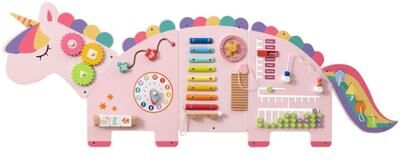
Perfect Picks Market Geometric Building Blocks Set For Kids Early Education Intelligence Development Toy Geometric Building Blocks Set For Kids Early Education Intelligence Development ToyUnlock your child's potential with this early education equipment designed to stimulate creativity and intelligence! This geometric set is the perfect building block toy for boys, helping to develop problemsolving skills while having fun. The...35,97 $*Shipping: 0,00 $Secure redirect to the provider
-
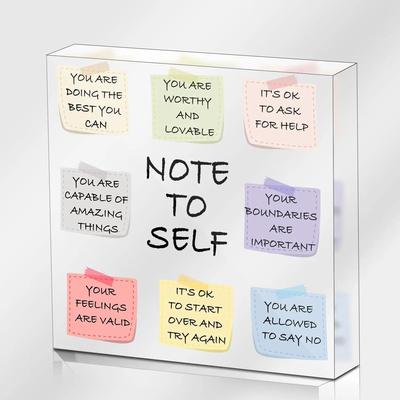
Uplifted Finds Mental Health Awareness Acrylic Sign Psychology Motivational Decor For Counseling, Classroom & Office Mental Health Awareness Acrylic Sign Psychology Motivational Decor For Counseling, Classroom & Office"Foster a culture of resilience and wellness with our Mental Health Gift. This premium psychology motivational decoration is the ultimate designer solution for creating a ""MindfulSanctuary"" or ""PositiveFocus"" atmosphere in any home. Featuring a..."71,97 $*Shipping: 0,00 $Secure redirect to the provider
-
Is possessiveness a disease?
Possessiveness is not considered a disease in the medical sense, but it can be a harmful trait that negatively impacts relationships and mental well-being. Excessive possessiveness can lead to controlling behavior, jealousy, and insecurity, which can strain relationships and cause distress for both the possessive individual and their partner. It is important to address possessiveness through communication, self-reflection, and potentially seeking therapy to work through underlying issues that may be contributing to this behavior. **
-
Is possessiveness also present in marriage?
Yes, possessiveness can be present in marriage. It can stem from feelings of insecurity, fear of losing one's partner, or a desire to control the relationship. While some level of possessiveness is normal in a romantic relationship, it can become unhealthy if it leads to jealousy, controlling behavior, or lack of trust. It is important for couples to communicate openly, set boundaries, and work on building trust to prevent possessiveness from negatively impacting their marriage. **
-
What is the difference between possessiveness and jealousy?
Possessiveness is the desire to control or own something or someone, often stemming from a sense of ownership or entitlement. It can manifest as wanting to have power over a person or object. Jealousy, on the other hand, is an emotional response to a perceived threat or loss of something valuable, such as a relationship or possession. It often involves feelings of insecurity, fear of abandonment, or competition with others. While possessiveness is more about control and ownership, jealousy is more about fear of losing something important. **
-
What can I do about my jealousy and possessiveness?
To address jealousy and possessiveness, it is important to first acknowledge and understand the root causes of these feelings. Reflect on past experiences or insecurities that may be contributing to these emotions. Practice open communication with your partner about your feelings and work together to build trust and reassurance. Additionally, focus on building your self-esteem and confidence to reduce feelings of insecurity that may be fueling jealousy. Seeking support from a therapist or counselor can also be beneficial in addressing and managing these emotions. **
Similar search terms for Possessiveness
-
Jessica Kingsley Publishers The Complete Guide to Asperger's Syndrome by Tony Attwood"The Complete Guide to Asperger's Syndrome" is the definitive handbook for anyone affected by Asperger's syndrome (AS). It brings together a wealth of information on all aspects of the syndrome for children through to adults. Drawing on case studies and personal accounts from Attwood's extensive clinical experience, and from his correspondence with individuals with AS, this book is both authoritative and extremely accessible. The chapters examine: causes and indications of the syndrome; the diagnosis and its effect on the individual; theory of mind; the perception of emotions in self and others; social interaction, including friendships; long-term relationships; teasing, bullying and mental health issues; the effect of AS on language and cognitive abilities, sensory sensitivity, movement and co-ordination skills; and, career development. There is also an invaluable frequently asked questions chapter and a section listing useful resources for anyone wishing to find further information on a particular aspect of AS, as well as literature and educational tools. Essential reading for families and individuals affected by AS as well as teachers, professionals and employers coming in contact with people with AS, this book should be on the bookshelf of anyone who needs to know or is interested in this complex condition.19,65 £*Shipping: 2,99 £Secure redirect to the provider
-
Happy Pet Pantry Dog Probiotics Drops For Gut Health Digestive & Immune Support Supplement Dog Probiotics Drops For Gut Health Digestive & Immune Support SupplementDigestive discomfort can affect your dogs energy, mood, and overall happiness. dog probiotics drops are a liquid canine digestive supplement formulated to support balanced digestion, nutrient absorption, and everyday wellness. Designed to promote...32,97 $*Shipping: 0,00 $Secure redirect to the provider
-
Happy Pet Pantry Cat Probiotic Drops For Gut Health & Digestive Balance Support Supplement Cat Probiotic Drops For Gut Health & Digestive Balance Support SupplementWhen your cats digestion is off, everything from mood to energy can be affected. These cat probiotic drops are designed to gently restore balance and support a healthier digestive system from the inside out. Formulated for daily use, they help...39,97 $*Shipping: 0,00 $Secure redirect to the provider
-
What is the cause of jealousy: love or possessiveness?
Jealousy can stem from both love and possessiveness. Love can lead to jealousy when there is a fear of losing the affection and attention of a loved one to someone else. Possessiveness, on the other hand, can also lead to jealousy when there is a strong desire to control and own the other person. Both love and possessiveness can trigger feelings of insecurity and fear of losing the connection with the person, which can result in jealousy. Ultimately, the cause of jealousy can be a complex combination of love and possessiveness. **
-
Is the concept of human partnership, love, without jealousy and possessiveness not possible?
The concept of human partnership and love without jealousy and possessiveness is possible, but it requires a deep level of trust, communication, and emotional maturity from both partners. It involves understanding that each person is an individual with their own autonomy and freedom, and that love does not equate to ownership. It requires a secure attachment style and the ability to manage insecurities and fears. While it may be challenging, it is achievable through open and honest communication, mutual respect, and a commitment to personal growth. **
-
How does the desire for control manifest in relationships through possessiveness and dominance?
The desire for control in relationships can manifest through possessiveness by wanting to have ownership and control over the other person. This can lead to jealousy, monitoring their activities, and trying to limit their interactions with others. Dominance can manifest through the need to have power and authority over the other person, leading to controlling behavior, making all the decisions, and using manipulation or coercion to maintain control. Both possessiveness and dominance can create an unhealthy dynamic in a relationship, leading to feelings of suffocation, lack of autonomy, and ultimately, the erosion of trust and intimacy. **
-
What are the theses about Down syndrome and the inclusion of children in kindergarten?
The theses about Down syndrome and the inclusion of children in kindergarten focus on the importance of creating inclusive environments that support the learning and development of children with Down syndrome. They emphasize the benefits of inclusive education for children with and without disabilities, highlighting the positive impact on social, emotional, and cognitive development. The theses also discuss the need for specialized support and resources to ensure the successful inclusion of children with Down syndrome in kindergarten settings. Overall, the theses advocate for a more inclusive approach to education that values diversity and promotes the full participation of all children. **
* All prices are inclusive of VAT and, if applicable, plus shipping costs. The offer information is based on the details provided by the respective shop and is updated through automated processes. Real-time updates do not occur, so deviations can occur in individual cases. ** Note: Parts of this content were created by AI.