Buy down-syndrome.eu ?
We are moving the project
down-syndrome.eu .
Are you interested in purchasing the domain
down-syndrome.eu ?
domain@kv-gmbh.de · 0541-91531010
Buy down-syndrome.eu ?
When are receptors formed?
Receptors are formed during early development in the womb. They are essential proteins that are embedded in cell membranes and play a crucial role in transmitting signals from the external environment to the inside of the cell. The formation of receptors is a complex process that involves specific genetic instructions and protein synthesis. Once formed, receptors continue to be expressed and regulated throughout an individual's life to ensure proper cellular communication and function. **
Are receptors sensory cells?
Receptors are not sensory cells themselves, but they are specialized proteins located on the surface of sensory cells. These receptors are responsible for detecting and responding to specific stimuli, such as light, sound, taste, or smell. When a receptor is activated by a stimulus, it triggers a series of biochemical reactions within the sensory cell, ultimately leading to the generation of a sensory signal that can be transmitted to the brain for processing. Therefore, while receptors are not sensory cells, they play a crucial role in the sensory process by detecting and transducing stimuli into neural signals. **


Similar search terms for Receptors
Top-Angebote
Products related to Receptors:
-
In2Green Warrier Throw (Breast Cancer Awareness) PinkThese blankets wash well, stay soft, and hold up beautifully over time. Our signature knit and woven products are made from fiberized t-shirt clippings salvaged from industrial t-shirt manufacturers.195,00 $*Shipping: 0,00 $Secure redirect to the provider
-
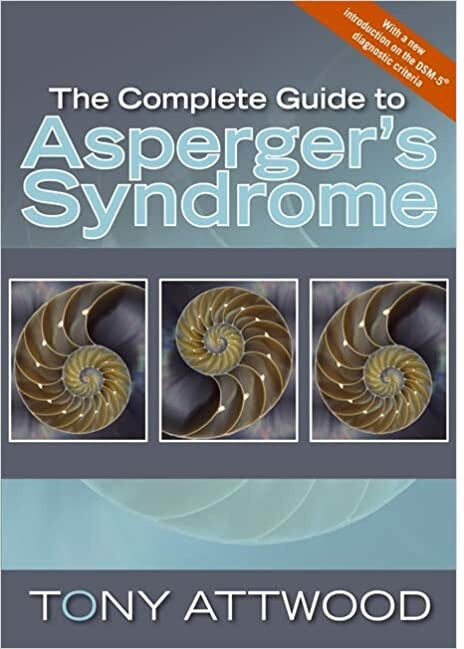
Jessica Kingsley Publishers The Complete Guide to Asperger's Syndrome by Tony Attwood"The Complete Guide to Asperger's Syndrome" is the definitive handbook for anyone affected by Asperger's syndrome (AS). It brings together a wealth of information on all aspects of the syndrome for children through to adults. Drawing on case studies and personal accounts from Attwood's extensive clinical experience, and from his correspondence with individuals with AS, this book is both authoritative and extremely accessible. The chapters examine: causes and indications of the syndrome; the diagnosis and its effect on the individual; theory of mind; the perception of emotions in self and others; social interaction, including friendships; long-term relationships; teasing, bullying and mental health issues; the effect of AS on language and cognitive abilities, sensory sensitivity, movement and co-ordination skills; and, career development. There is also an invaluable frequently asked questions chapter and a section listing useful resources for anyone wishing to find further information on a particular aspect of AS, as well as literature and educational tools. Essential reading for families and individuals affected by AS as well as teachers, professionals and employers coming in contact with people with AS, this book should be on the bookshelf of anyone who needs to know or is interested in this complex condition.19,65 £*Shipping: 2,99 £Secure redirect to the provider



-
What are hormone receptors?
Hormone receptors are proteins located on the surface or within the cells of target tissues that are capable of binding to specific hormones. When a hormone binds to its receptor, it triggers a series of cellular responses that ultimately lead to changes in gene expression, cell function, or metabolism. Hormone receptors are crucial for the regulation of various physiological processes in the body, including growth, metabolism, and reproduction. Different types of hormones, such as steroid hormones, thyroid hormones, and peptide hormones, have specific receptors that they bind to in order to exert their effects on target cells. **
-
Do organs have pain receptors?
No, organs themselves do not have pain receptors. Pain receptors, also known as nociceptors, are specialized nerve cells that detect tissue damage and send signals to the brain to indicate pain. While organs do not have pain receptors, the tissues surrounding organs, such as the lining of the abdomen or chest, can contain nociceptors and can transmit pain signals if they are damaged or inflamed. **
-
Why are there 1 million receptors per cm2 if there are 100,000 receptors per cm2?
There may be 1 million receptors per cm2 if there are 100,000 receptors per cm2 because the receptors may be densely packed together, allowing for more receptors to fit within the same area. Additionally, having a higher density of receptors may increase the sensitivity and efficiency of the sensory system in detecting and responding to stimuli. This high density of receptors may be particularly important in areas of the body that require a high level of sensitivity, such as the fingertips or the tongue. **
-
Which medications block the nicotine receptors?
Medications such as varenicline (Chantix) and bupropion (Zyban) are known to block nicotine receptors in the brain. By blocking these receptors, these medications reduce the pleasurable effects of nicotine, making it easier for individuals to quit smoking. These medications are often used as part of a comprehensive smoking cessation program to help individuals overcome their addiction to nicotine. **


Do Zolpidem and/or Benzodiazepines affect dopamine receptors?
Zolpidem and benzodiazepines primarily act on the GABA-A receptors in the brain, which are involved in the regulation of anxiety and sleep. While they do not directly affect dopamine receptors, they can indirectly influence dopamine levels in the brain by modulating the activity of other neurotransmitter systems. For example, benzodiazepines have been shown to indirectly affect dopamine release in certain brain regions. However, their primary mechanism of action is not through direct interaction with dopamine receptors. **
What happens in neurology when receptors are blocked?
When receptors are blocked in neurology, it can lead to a decrease in the transmission of signals between neurons. This can result in a reduction in the activity of the affected neural pathways, leading to a variety of effects depending on the specific receptors and pathways involved. For example, blocking certain receptors in the brain can lead to decreased pain perception, reduced anxiety, or impaired motor function. In some cases, blocking receptors can also lead to compensatory changes in the nervous system, as the body attempts to restore balance in the face of reduced receptor activity. **
Top-Angebote
Products related to Receptors:
-
Perfect Picks Market Geometric Building Blocks Set For Kids Early Education Intelligence Development Toy Geometric Building Blocks Set For Kids Early Education Intelligence Development ToyUnlock your child's potential with this early education equipment designed to stimulate creativity and intelligence! This geometric set is the perfect building block toy for boys, helping to develop problemsolving skills while having fun. The...35,97 $*Shipping: 0,00 $Secure redirect to the provider
-
Uplifted Finds Mental Health Awareness Acrylic Sign Psychology Motivational Decor For Counseling, Classroom & Office Mental Health Awareness Acrylic Sign Psychology Motivational Decor For Counseling, Classroom & Office"Foster a culture of resilience and wellness with our Mental Health Gift. This premium psychology motivational decoration is the ultimate designer solution for creating a ""MindfulSanctuary"" or ""PositiveFocus"" atmosphere in any home. Featuring a..."71,97 $*Shipping: 0,00 $Secure redirect to the provider
-
When are receptors formed?
Receptors are formed during early development in the womb. They are essential proteins that are embedded in cell membranes and play a crucial role in transmitting signals from the external environment to the inside of the cell. The formation of receptors is a complex process that involves specific genetic instructions and protein synthesis. Once formed, receptors continue to be expressed and regulated throughout an individual's life to ensure proper cellular communication and function. **
-
Are receptors sensory cells?
Receptors are not sensory cells themselves, but they are specialized proteins located on the surface of sensory cells. These receptors are responsible for detecting and responding to specific stimuli, such as light, sound, taste, or smell. When a receptor is activated by a stimulus, it triggers a series of biochemical reactions within the sensory cell, ultimately leading to the generation of a sensory signal that can be transmitted to the brain for processing. Therefore, while receptors are not sensory cells, they play a crucial role in the sensory process by detecting and transducing stimuli into neural signals. **
-
What are hormone receptors?
Hormone receptors are proteins located on the surface or within the cells of target tissues that are capable of binding to specific hormones. When a hormone binds to its receptor, it triggers a series of cellular responses that ultimately lead to changes in gene expression, cell function, or metabolism. Hormone receptors are crucial for the regulation of various physiological processes in the body, including growth, metabolism, and reproduction. Different types of hormones, such as steroid hormones, thyroid hormones, and peptide hormones, have specific receptors that they bind to in order to exert their effects on target cells. **
-
Do organs have pain receptors?
No, organs themselves do not have pain receptors. Pain receptors, also known as nociceptors, are specialized nerve cells that detect tissue damage and send signals to the brain to indicate pain. While organs do not have pain receptors, the tissues surrounding organs, such as the lining of the abdomen or chest, can contain nociceptors and can transmit pain signals if they are damaged or inflamed. **
Similar search terms for Receptors
-
In2Green Warrier Throw (Breast Cancer Awareness) PinkThese blankets wash well, stay soft, and hold up beautifully over time. Our signature knit and woven products are made from fiberized t-shirt clippings salvaged from industrial t-shirt manufacturers.195,00 $*Shipping: 0,00 $Secure redirect to the provider
-
Jessica Kingsley Publishers The Complete Guide to Asperger's Syndrome by Tony Attwood"The Complete Guide to Asperger's Syndrome" is the definitive handbook for anyone affected by Asperger's syndrome (AS). It brings together a wealth of information on all aspects of the syndrome for children through to adults. Drawing on case studies and personal accounts from Attwood's extensive clinical experience, and from his correspondence with individuals with AS, this book is both authoritative and extremely accessible. The chapters examine: causes and indications of the syndrome; the diagnosis and its effect on the individual; theory of mind; the perception of emotions in self and others; social interaction, including friendships; long-term relationships; teasing, bullying and mental health issues; the effect of AS on language and cognitive abilities, sensory sensitivity, movement and co-ordination skills; and, career development. There is also an invaluable frequently asked questions chapter and a section listing useful resources for anyone wishing to find further information on a particular aspect of AS, as well as literature and educational tools. Essential reading for families and individuals affected by AS as well as teachers, professionals and employers coming in contact with people with AS, this book should be on the bookshelf of anyone who needs to know or is interested in this complex condition.19,65 £*Shipping: 2,99 £Secure redirect to the provider
-
Why are there 1 million receptors per cm2 if there are 100,000 receptors per cm2?
There may be 1 million receptors per cm2 if there are 100,000 receptors per cm2 because the receptors may be densely packed together, allowing for more receptors to fit within the same area. Additionally, having a higher density of receptors may increase the sensitivity and efficiency of the sensory system in detecting and responding to stimuli. This high density of receptors may be particularly important in areas of the body that require a high level of sensitivity, such as the fingertips or the tongue. **
-
Which medications block the nicotine receptors?
Medications such as varenicline (Chantix) and bupropion (Zyban) are known to block nicotine receptors in the brain. By blocking these receptors, these medications reduce the pleasurable effects of nicotine, making it easier for individuals to quit smoking. These medications are often used as part of a comprehensive smoking cessation program to help individuals overcome their addiction to nicotine. **
-
Do Zolpidem and/or Benzodiazepines affect dopamine receptors?
Zolpidem and benzodiazepines primarily act on the GABA-A receptors in the brain, which are involved in the regulation of anxiety and sleep. While they do not directly affect dopamine receptors, they can indirectly influence dopamine levels in the brain by modulating the activity of other neurotransmitter systems. For example, benzodiazepines have been shown to indirectly affect dopamine release in certain brain regions. However, their primary mechanism of action is not through direct interaction with dopamine receptors. **
-
What happens in neurology when receptors are blocked?
When receptors are blocked in neurology, it can lead to a decrease in the transmission of signals between neurons. This can result in a reduction in the activity of the affected neural pathways, leading to a variety of effects depending on the specific receptors and pathways involved. For example, blocking certain receptors in the brain can lead to decreased pain perception, reduced anxiety, or impaired motor function. In some cases, blocking receptors can also lead to compensatory changes in the nervous system, as the body attempts to restore balance in the face of reduced receptor activity. **
* All prices are inclusive of VAT and, if applicable, plus shipping costs. The offer information is based on the details provided by the respective shop and is updated through automated processes. Real-time updates do not occur, so deviations can occur in individual cases. ** Note: Parts of this content were created by AI.