Buy down-syndrome.eu ?
We are moving the project
down-syndrome.eu .
Are you interested in purchasing the domain
down-syndrome.eu ?
domain@kv-gmbh.de · 0541-91531010
Buy down-syndrome.eu ?
What are rumination compulsions?
Rumination compulsions are repetitive and intrusive thoughts or mental acts that a person feels driven to perform in response to obsessive thoughts or anxiety. These thoughts often involve reviewing past events or conversations, analyzing potential future scenarios, or seeking reassurance. People with rumination compulsions may feel unable to control or stop these thoughts, which can significantly impact their daily functioning and mental well-being. Treatment for rumination compulsions often involves cognitive-behavioral therapy and medication to help manage the symptoms. **
How do you deal with rumination?
To deal with rumination, I try to practice mindfulness and focus on the present moment. I also find it helpful to engage in activities that distract me and bring me joy, such as exercise, spending time with loved ones, or pursuing a hobby. Additionally, talking to a trusted friend or therapist about my thoughts and feelings can provide me with a different perspective and help me break the cycle of rumination. **


Similar search terms for Rumination
Top-Angebote
Products related to Rumination:
-
In2Green Warrier Throw (Breast Cancer Awareness) PinkThese blankets wash well, stay soft, and hold up beautifully over time. Our signature knit and woven products are made from fiberized t-shirt clippings salvaged from industrial t-shirt manufacturers.195,00 $*Shipping: 0,00 $Secure redirect to the provider
-
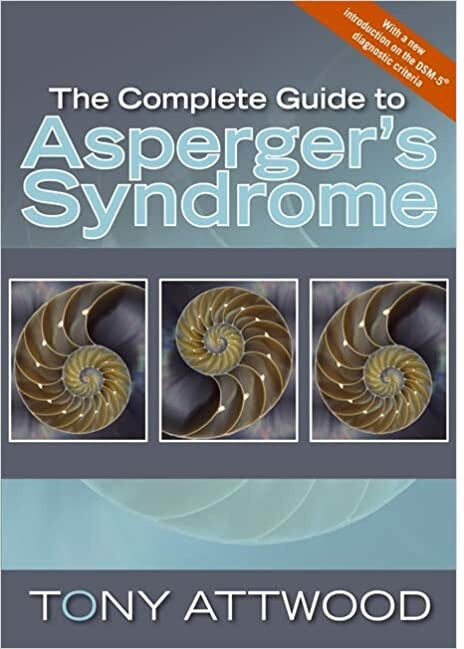
Jessica Kingsley Publishers The Complete Guide to Asperger's Syndrome by Tony Attwood"The Complete Guide to Asperger's Syndrome" is the definitive handbook for anyone affected by Asperger's syndrome (AS). It brings together a wealth of information on all aspects of the syndrome for children through to adults. Drawing on case studies and personal accounts from Attwood's extensive clinical experience, and from his correspondence with individuals with AS, this book is both authoritative and extremely accessible. The chapters examine: causes and indications of the syndrome; the diagnosis and its effect on the individual; theory of mind; the perception of emotions in self and others; social interaction, including friendships; long-term relationships; teasing, bullying and mental health issues; the effect of AS on language and cognitive abilities, sensory sensitivity, movement and co-ordination skills; and, career development. There is also an invaluable frequently asked questions chapter and a section listing useful resources for anyone wishing to find further information on a particular aspect of AS, as well as literature and educational tools. Essential reading for families and individuals affected by AS as well as teachers, professionals and employers coming in contact with people with AS, this book should be on the bookshelf of anyone who needs to know or is interested in this complex condition.19,65 £*Shipping: 2,99 £Secure redirect to the provider



-
Does rumination feel like vomiting for animals?
Rumination is the process by which animals such as cows, sheep, and goats regurgitate and re-chew their food to aid in digestion. This process is not the same as vomiting, as it is a normal part of their digestive system. Vomiting, on the other hand, is a reflexive action to expel the contents of the stomach and is not a normal part of the digestive process for these animals. Therefore, rumination does not feel like vomiting for animals, as they are two distinct processes with different purposes. **
-
What is the difference between reflection and rumination?
Reflection involves calmly and thoughtfully thinking about past experiences, actions, or events in order to gain insight, understanding, and learning from them. It is a constructive and intentional process that can lead to personal growth and development. On the other hand, rumination is a repetitive and unproductive pattern of thinking that involves dwelling on negative thoughts, feelings, or experiences without reaching any resolution or understanding. It can lead to increased stress, anxiety, and depression, and is often associated with overthinking and getting stuck in a cycle of negative thoughts. **
-
How can one become psychotic through extreme rumination?
Extreme rumination, or obsessive and repetitive thinking, can lead to psychosis through a process called thought disorder. When someone engages in constant and distressing rumination, it can disrupt their ability to think clearly and coherently. This can lead to disorganized thoughts, hallucinations, and delusions, which are characteristic symptoms of psychosis. Additionally, the intense focus on negative or distressing thoughts can exacerbate underlying mental health conditions, such as anxiety or depression, which can also contribute to the development of psychosis. Overall, extreme rumination can disrupt cognitive functioning and exacerbate mental health issues, potentially leading to psychosis. **
-
Is there a therapy for rumination and delusions?
Yes, there are therapies available for rumination and delusions. Cognitive-behavioral therapy (CBT) is a common approach used to address rumination by helping individuals identify and challenge their negative thought patterns. CBT can also be effective in addressing delusions by helping individuals examine and re-evaluate their beliefs. Additionally, medication may be prescribed by a psychiatrist to help manage symptoms of rumination and delusions, particularly in cases of underlying mental health conditions such as depression or schizophrenia. It's important for individuals experiencing rumination and delusions to seek professional help from a mental health provider to determine the most appropriate treatment approach for their specific needs. **

What medications are available for rumination and racing thoughts?
Medications that may be prescribed for rumination and racing thoughts include selective serotonin reuptake inhibitors (SSRIs) such as fluoxetine, sertraline, or paroxetine. These medications can help regulate serotonin levels in the brain, which may help reduce obsessive thoughts and racing thoughts. Other options may include atypical antipsychotics such as quetiapine or aripiprazole, which can help stabilize mood and reduce racing thoughts. It's important to consult with a healthcare professional to determine the most appropriate medication and dosage for individual needs. **
What causes strong rumination after a meeting with friends/acquaintances?
Strong rumination after a meeting with friends or acquaintances can be caused by a variety of factors. It may be triggered by feelings of insecurity or self-doubt, leading to overthinking about the interactions and seeking validation. It could also stem from social anxiety, where the individual replays the conversation and analyzes their behavior in an attempt to ensure they didn't say or do anything embarrassing. Additionally, if the meeting involved conflict or tension, the individual may ruminate in an effort to process and make sense of the situation. Overall, strong rumination after a social interaction can be influenced by a combination of internal and external factors. **
Top-Angebote
Products related to Rumination:
-
Perfect Picks Market Geometric Building Blocks Set For Kids Early Education Intelligence Development Toy Geometric Building Blocks Set For Kids Early Education Intelligence Development ToyUnlock your child's potential with this early education equipment designed to stimulate creativity and intelligence! This geometric set is the perfect building block toy for boys, helping to develop problemsolving skills while having fun. The...35,97 $*Shipping: 0,00 $Secure redirect to the provider
-
Uplifted Finds Mental Health Awareness Acrylic Sign Psychology Motivational Decor For Counseling, Classroom & Office Mental Health Awareness Acrylic Sign Psychology Motivational Decor For Counseling, Classroom & Office"Foster a culture of resilience and wellness with our Mental Health Gift. This premium psychology motivational decoration is the ultimate designer solution for creating a ""MindfulSanctuary"" or ""PositiveFocus"" atmosphere in any home. Featuring a..."71,97 $*Shipping: 0,00 $Secure redirect to the provider
-
What are rumination compulsions?
Rumination compulsions are repetitive and intrusive thoughts or mental acts that a person feels driven to perform in response to obsessive thoughts or anxiety. These thoughts often involve reviewing past events or conversations, analyzing potential future scenarios, or seeking reassurance. People with rumination compulsions may feel unable to control or stop these thoughts, which can significantly impact their daily functioning and mental well-being. Treatment for rumination compulsions often involves cognitive-behavioral therapy and medication to help manage the symptoms. **
-
How do you deal with rumination?
To deal with rumination, I try to practice mindfulness and focus on the present moment. I also find it helpful to engage in activities that distract me and bring me joy, such as exercise, spending time with loved ones, or pursuing a hobby. Additionally, talking to a trusted friend or therapist about my thoughts and feelings can provide me with a different perspective and help me break the cycle of rumination. **
-
Does rumination feel like vomiting for animals?
Rumination is the process by which animals such as cows, sheep, and goats regurgitate and re-chew their food to aid in digestion. This process is not the same as vomiting, as it is a normal part of their digestive system. Vomiting, on the other hand, is a reflexive action to expel the contents of the stomach and is not a normal part of the digestive process for these animals. Therefore, rumination does not feel like vomiting for animals, as they are two distinct processes with different purposes. **
-
What is the difference between reflection and rumination?
Reflection involves calmly and thoughtfully thinking about past experiences, actions, or events in order to gain insight, understanding, and learning from them. It is a constructive and intentional process that can lead to personal growth and development. On the other hand, rumination is a repetitive and unproductive pattern of thinking that involves dwelling on negative thoughts, feelings, or experiences without reaching any resolution or understanding. It can lead to increased stress, anxiety, and depression, and is often associated with overthinking and getting stuck in a cycle of negative thoughts. **
Similar search terms for Rumination
-
In2Green Warrier Throw (Breast Cancer Awareness) PinkThese blankets wash well, stay soft, and hold up beautifully over time. Our signature knit and woven products are made from fiberized t-shirt clippings salvaged from industrial t-shirt manufacturers.195,00 $*Shipping: 0,00 $Secure redirect to the provider
-
Jessica Kingsley Publishers The Complete Guide to Asperger's Syndrome by Tony Attwood"The Complete Guide to Asperger's Syndrome" is the definitive handbook for anyone affected by Asperger's syndrome (AS). It brings together a wealth of information on all aspects of the syndrome for children through to adults. Drawing on case studies and personal accounts from Attwood's extensive clinical experience, and from his correspondence with individuals with AS, this book is both authoritative and extremely accessible. The chapters examine: causes and indications of the syndrome; the diagnosis and its effect on the individual; theory of mind; the perception of emotions in self and others; social interaction, including friendships; long-term relationships; teasing, bullying and mental health issues; the effect of AS on language and cognitive abilities, sensory sensitivity, movement and co-ordination skills; and, career development. There is also an invaluable frequently asked questions chapter and a section listing useful resources for anyone wishing to find further information on a particular aspect of AS, as well as literature and educational tools. Essential reading for families and individuals affected by AS as well as teachers, professionals and employers coming in contact with people with AS, this book should be on the bookshelf of anyone who needs to know or is interested in this complex condition.19,65 £*Shipping: 2,99 £Secure redirect to the provider
-
How can one become psychotic through extreme rumination?
Extreme rumination, or obsessive and repetitive thinking, can lead to psychosis through a process called thought disorder. When someone engages in constant and distressing rumination, it can disrupt their ability to think clearly and coherently. This can lead to disorganized thoughts, hallucinations, and delusions, which are characteristic symptoms of psychosis. Additionally, the intense focus on negative or distressing thoughts can exacerbate underlying mental health conditions, such as anxiety or depression, which can also contribute to the development of psychosis. Overall, extreme rumination can disrupt cognitive functioning and exacerbate mental health issues, potentially leading to psychosis. **
-
Is there a therapy for rumination and delusions?
Yes, there are therapies available for rumination and delusions. Cognitive-behavioral therapy (CBT) is a common approach used to address rumination by helping individuals identify and challenge their negative thought patterns. CBT can also be effective in addressing delusions by helping individuals examine and re-evaluate their beliefs. Additionally, medication may be prescribed by a psychiatrist to help manage symptoms of rumination and delusions, particularly in cases of underlying mental health conditions such as depression or schizophrenia. It's important for individuals experiencing rumination and delusions to seek professional help from a mental health provider to determine the most appropriate treatment approach for their specific needs. **
-
What medications are available for rumination and racing thoughts?
Medications that may be prescribed for rumination and racing thoughts include selective serotonin reuptake inhibitors (SSRIs) such as fluoxetine, sertraline, or paroxetine. These medications can help regulate serotonin levels in the brain, which may help reduce obsessive thoughts and racing thoughts. Other options may include atypical antipsychotics such as quetiapine or aripiprazole, which can help stabilize mood and reduce racing thoughts. It's important to consult with a healthcare professional to determine the most appropriate medication and dosage for individual needs. **
-
What causes strong rumination after a meeting with friends/acquaintances?
Strong rumination after a meeting with friends or acquaintances can be caused by a variety of factors. It may be triggered by feelings of insecurity or self-doubt, leading to overthinking about the interactions and seeking validation. It could also stem from social anxiety, where the individual replays the conversation and analyzes their behavior in an attempt to ensure they didn't say or do anything embarrassing. Additionally, if the meeting involved conflict or tension, the individual may ruminate in an effort to process and make sense of the situation. Overall, strong rumination after a social interaction can be influenced by a combination of internal and external factors. **
* All prices are inclusive of VAT and, if applicable, plus shipping costs. The offer information is based on the details provided by the respective shop and is updated through automated processes. Real-time updates do not occur, so deviations can occur in individual cases. ** Note: Parts of this content were created by AI.