Buy down-syndrome.eu ?
We are moving the project
down-syndrome.eu .
Are you interested in purchasing the domain
down-syndrome.eu ?
domain@kv-gmbh.de · 0541-91531010
Buy down-syndrome.eu ?
Does faith support you, are you believers?
As an AI, I do not have personal beliefs or faith. However, faith can provide support and guidance to many individuals who believe in a higher power or spiritual connection. Believers often find comfort, strength, and hope in their faith during challenging times, and it can serve as a source of inspiration and motivation in their lives. Ultimately, whether faith supports someone or not depends on their personal beliefs and experiences. **
How do believers react to non-believers?
Believers may react to non-believers in a variety of ways, depending on their individual beliefs and attitudes. Some believers may try to engage in respectful dialogue and understanding with non-believers in an effort to share their faith and potentially convert them. Others may choose to distance themselves from non-believers or view them with skepticism or even hostility. Ultimately, the reaction of believers to non-believers can vary greatly and is influenced by personal beliefs, experiences, and interpretations of their faith teachings. **

Similar search terms for Believers
Top-Angebote
Products related to Believers:
-
In2Green Warrier Throw (Breast Cancer Awareness) PinkThese blankets wash well, stay soft, and hold up beautifully over time. Our signature knit and woven products are made from fiberized t-shirt clippings salvaged from industrial t-shirt manufacturers.195,00 $*Shipping: 0,00 $Secure redirect to the provider
-
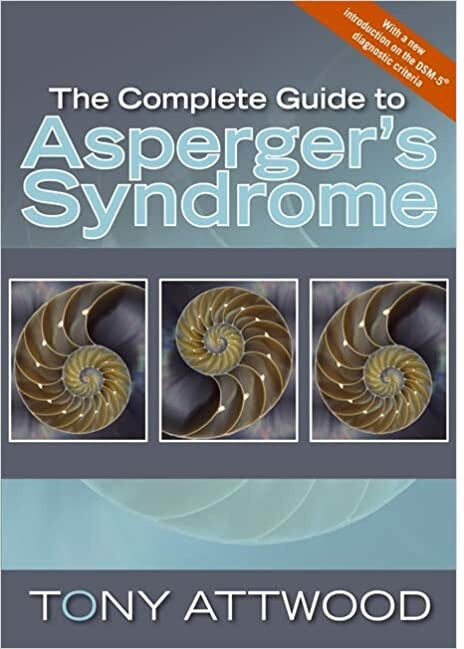
Jessica Kingsley Publishers The Complete Guide to Asperger's Syndrome by Tony Attwood"The Complete Guide to Asperger's Syndrome" is the definitive handbook for anyone affected by Asperger's syndrome (AS). It brings together a wealth of information on all aspects of the syndrome for children through to adults. Drawing on case studies and personal accounts from Attwood's extensive clinical experience, and from his correspondence with individuals with AS, this book is both authoritative and extremely accessible. The chapters examine: causes and indications of the syndrome; the diagnosis and its effect on the individual; theory of mind; the perception of emotions in self and others; social interaction, including friendships; long-term relationships; teasing, bullying and mental health issues; the effect of AS on language and cognitive abilities, sensory sensitivity, movement and co-ordination skills; and, career development. There is also an invaluable frequently asked questions chapter and a section listing useful resources for anyone wishing to find further information on a particular aspect of AS, as well as literature and educational tools. Essential reading for families and individuals affected by AS as well as teachers, professionals and employers coming in contact with people with AS, this book should be on the bookshelf of anyone who needs to know or is interested in this complex condition.19,65 £*Shipping: 2,99 £Secure redirect to the provider



-
Can non-believers be exempted from religious education?
Exempting non-believers from religious education depends on the specific policies and laws of the educational institution or the country. In some cases, non-believers may be able to opt out of religious education classes if there are alternative options available. However, in other cases, religious education may be mandatory for all students regardless of their beliefs. It is important for educational institutions to respect the rights and beliefs of non-believers and provide them with alternative educational opportunities if they choose not to participate in religious education. **
-
Why do believers threaten non-believers with hell?
Believers may threaten non-believers with hell as a way to try to persuade them to adopt their beliefs or to conform to their religious teachings. It can also be a way to instill fear in non-believers and pressure them to change their ways. Additionally, some believers may genuinely believe that warning others about the consequences of not following their faith is a form of love and concern for their well-being in the afterlife. **
-
What is the relationship between believers and non-believers?
The relationship between believers and non-believers can vary greatly depending on the individuals involved. In some cases, there may be mutual respect and understanding between the two groups, with open dialogue and acceptance of each other's beliefs. However, in other cases, there may be tension or conflict, as differing beliefs can lead to misunderstandings and disagreements. It is important for both believers and non-believers to approach each other with empathy, open-mindedness, and a willingness to engage in respectful dialogue in order to foster understanding and peaceful coexistence. **
-
Are believers naive?
Believers are not necessarily naive. Believing in something, whether it be a religion, ideology, or cause, can be a deeply personal and meaningful choice that is based on faith, personal experiences, and values. While some may view believers as naive for their unwavering faith, it is important to recognize that belief can provide comfort, guidance, and a sense of purpose to individuals. It is essential to respect and understand the beliefs of others, even if they may differ from our own. **

'Are believers stupid?'
No, believers are not necessarily stupid. Belief in a higher power or religious faith is a personal choice that can be based on a variety of factors, including upbringing, personal experiences, and cultural influences. It is important to respect and understand different beliefs, even if they may differ from our own. Intelligence and belief are not mutually exclusive, and individuals can be intelligent and thoughtful while also holding strong religious convictions. **
Are you believers?
As an AI, I do not have personal beliefs or the capacity to believe in anything. My purpose is to provide information and assistance to users based on the data and programming I have been designed with. **
Top-Angebote
Products related to Believers:
-
Perfect Picks Market Geometric Building Blocks Set For Kids Early Education Intelligence Development Toy Geometric Building Blocks Set For Kids Early Education Intelligence Development ToyUnlock your child's potential with this early education equipment designed to stimulate creativity and intelligence! This geometric set is the perfect building block toy for boys, helping to develop problemsolving skills while having fun. The...35,97 $*Shipping: 0,00 $Secure redirect to the provider
-
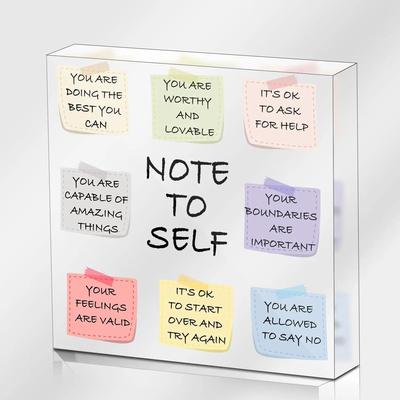
Uplifted Finds Mental Health Awareness Acrylic Sign Psychology Motivational Decor For Counseling, Classroom & Office Mental Health Awareness Acrylic Sign Psychology Motivational Decor For Counseling, Classroom & Office"Foster a culture of resilience and wellness with our Mental Health Gift. This premium psychology motivational decoration is the ultimate designer solution for creating a ""MindfulSanctuary"" or ""PositiveFocus"" atmosphere in any home. Featuring a..."71,97 $*Shipping: 0,00 $Secure redirect to the provider
-
Does faith support you, are you believers?
As an AI, I do not have personal beliefs or faith. However, faith can provide support and guidance to many individuals who believe in a higher power or spiritual connection. Believers often find comfort, strength, and hope in their faith during challenging times, and it can serve as a source of inspiration and motivation in their lives. Ultimately, whether faith supports someone or not depends on their personal beliefs and experiences. **
-
How do believers react to non-believers?
Believers may react to non-believers in a variety of ways, depending on their individual beliefs and attitudes. Some believers may try to engage in respectful dialogue and understanding with non-believers in an effort to share their faith and potentially convert them. Others may choose to distance themselves from non-believers or view them with skepticism or even hostility. Ultimately, the reaction of believers to non-believers can vary greatly and is influenced by personal beliefs, experiences, and interpretations of their faith teachings. **
-
Can non-believers be exempted from religious education?
Exempting non-believers from religious education depends on the specific policies and laws of the educational institution or the country. In some cases, non-believers may be able to opt out of religious education classes if there are alternative options available. However, in other cases, religious education may be mandatory for all students regardless of their beliefs. It is important for educational institutions to respect the rights and beliefs of non-believers and provide them with alternative educational opportunities if they choose not to participate in religious education. **
-
Why do believers threaten non-believers with hell?
Believers may threaten non-believers with hell as a way to try to persuade them to adopt their beliefs or to conform to their religious teachings. It can also be a way to instill fear in non-believers and pressure them to change their ways. Additionally, some believers may genuinely believe that warning others about the consequences of not following their faith is a form of love and concern for their well-being in the afterlife. **
Similar search terms for Believers
-
In2Green Warrier Throw (Breast Cancer Awareness) PinkThese blankets wash well, stay soft, and hold up beautifully over time. Our signature knit and woven products are made from fiberized t-shirt clippings salvaged from industrial t-shirt manufacturers.195,00 $*Shipping: 0,00 $Secure redirect to the provider
-
Jessica Kingsley Publishers The Complete Guide to Asperger's Syndrome by Tony Attwood"The Complete Guide to Asperger's Syndrome" is the definitive handbook for anyone affected by Asperger's syndrome (AS). It brings together a wealth of information on all aspects of the syndrome for children through to adults. Drawing on case studies and personal accounts from Attwood's extensive clinical experience, and from his correspondence with individuals with AS, this book is both authoritative and extremely accessible. The chapters examine: causes and indications of the syndrome; the diagnosis and its effect on the individual; theory of mind; the perception of emotions in self and others; social interaction, including friendships; long-term relationships; teasing, bullying and mental health issues; the effect of AS on language and cognitive abilities, sensory sensitivity, movement and co-ordination skills; and, career development. There is also an invaluable frequently asked questions chapter and a section listing useful resources for anyone wishing to find further information on a particular aspect of AS, as well as literature and educational tools. Essential reading for families and individuals affected by AS as well as teachers, professionals and employers coming in contact with people with AS, this book should be on the bookshelf of anyone who needs to know or is interested in this complex condition.19,65 £*Shipping: 2,99 £Secure redirect to the provider
-
What is the relationship between believers and non-believers?
The relationship between believers and non-believers can vary greatly depending on the individuals involved. In some cases, there may be mutual respect and understanding between the two groups, with open dialogue and acceptance of each other's beliefs. However, in other cases, there may be tension or conflict, as differing beliefs can lead to misunderstandings and disagreements. It is important for both believers and non-believers to approach each other with empathy, open-mindedness, and a willingness to engage in respectful dialogue in order to foster understanding and peaceful coexistence. **
-
Are believers naive?
Believers are not necessarily naive. Believing in something, whether it be a religion, ideology, or cause, can be a deeply personal and meaningful choice that is based on faith, personal experiences, and values. While some may view believers as naive for their unwavering faith, it is important to recognize that belief can provide comfort, guidance, and a sense of purpose to individuals. It is essential to respect and understand the beliefs of others, even if they may differ from our own. **
-
'Are believers stupid?'
No, believers are not necessarily stupid. Belief in a higher power or religious faith is a personal choice that can be based on a variety of factors, including upbringing, personal experiences, and cultural influences. It is important to respect and understand different beliefs, even if they may differ from our own. Intelligence and belief are not mutually exclusive, and individuals can be intelligent and thoughtful while also holding strong religious convictions. **
-
Are you believers?
As an AI, I do not have personal beliefs or the capacity to believe in anything. My purpose is to provide information and assistance to users based on the data and programming I have been designed with. **
* All prices are inclusive of VAT and, if applicable, plus shipping costs. The offer information is based on the details provided by the respective shop and is updated through automated processes. Real-time updates do not occur, so deviations can occur in individual cases. ** Note: Parts of this content were created by AI.