Buy down-syndrome.eu ?
We are moving the project
down-syndrome.eu .
Are you interested in purchasing the domain
down-syndrome.eu ?
domain@kv-gmbh.de · 0541-91531010
Buy down-syndrome.eu ?
Is the mother or the father to blame for Down syndrome?
Neither the mother nor the father is to blame for Down syndrome. Down syndrome is a genetic condition that occurs when there is an extra copy of chromosome 21. This extra genetic material can come from either the mother's egg or the father's sperm, and it is a random occurrence that is not caused by anything the parents did or did not do. Blaming either parent for a genetic condition like Down syndrome is not accurate or fair. **
Are others usually to blame, or are you to blame yourself?
It depends on the situation. Sometimes others may be at fault for a particular issue, while other times I may be responsible for my own actions or decisions. It is important to reflect on the situation objectively and take ownership of my role in it, whether that means holding myself accountable or acknowledging the actions of others. Ultimately, understanding the dynamics at play and taking responsibility for my part is key to resolving conflicts and moving forward positively. **


Similar search terms for Blame
Top-Angebote
Products related to Blame:
-
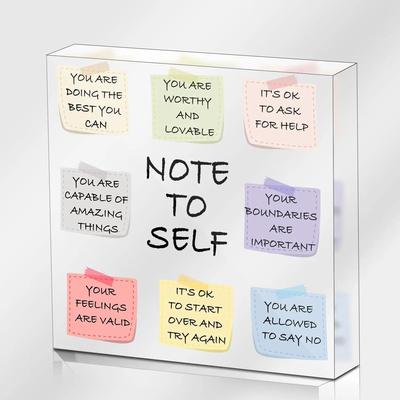
Uplifted Finds Mental Health Awareness Acrylic Sign Psychology Motivational Decor For Counseling, Classroom & Office Mental Health Awareness Acrylic Sign Psychology Motivational Decor For Counseling, Classroom & Office"Foster a culture of resilience and wellness with our Mental Health Gift. This premium psychology motivational decoration is the ultimate designer solution for creating a ""MindfulSanctuary"" or ""PositiveFocus"" atmosphere in any home. Featuring a..."71,97 $*Shipping: 0,00 $Secure redirect to the provider
-
Jessica Kingsley Publishers The Complete Guide to Asperger's Syndrome by Tony Attwood"The Complete Guide to Asperger's Syndrome" is the definitive handbook for anyone affected by Asperger's syndrome (AS). It brings together a wealth of information on all aspects of the syndrome for children through to adults. Drawing on case studies and personal accounts from Attwood's extensive clinical experience, and from his correspondence with individuals with AS, this book is both authoritative and extremely accessible. The chapters examine: causes and indications of the syndrome; the diagnosis and its effect on the individual; theory of mind; the perception of emotions in self and others; social interaction, including friendships; long-term relationships; teasing, bullying and mental health issues; the effect of AS on language and cognitive abilities, sensory sensitivity, movement and co-ordination skills; and, career development. There is also an invaluable frequently asked questions chapter and a section listing useful resources for anyone wishing to find further information on a particular aspect of AS, as well as literature and educational tools. Essential reading for families and individuals affected by AS as well as teachers, professionals and employers coming in contact with people with AS, this book should be on the bookshelf of anyone who needs to know or is interested in this complex condition.19,65 £*Shipping: 2,99 £Secure redirect to the provider



-
Are others usually to blame or are you to blame yourself?
It is important to take responsibility for our actions and choices, rather than always placing blame on others. While external factors may influence our circumstances, ultimately we have control over how we respond and the decisions we make. By acknowledging our role in situations and learning from our mistakes, we can grow and improve as individuals. **
-
Who is to blame?
Assigning blame is often a complex and subjective matter that can depend on various factors and perspectives. In many situations, it may not be productive or fair to place blame solely on one individual or group. Instead, it may be more constructive to focus on understanding the root causes of a problem and working towards solutions that prevent similar issues from arising in the future. **
-
Am I to blame?
Blame is a complex concept that often involves multiple factors. It's important to reflect on your actions and intentions, and consider how they may have contributed to a situation. However, it's also important to recognize that blame is not always productive and can sometimes be counterproductive to finding solutions or moving forward. Instead of focusing on blame, it can be more helpful to take responsibility for your actions, learn from the situation, and work towards making amends or improving in the future. **
-
"Am I to blame?"
It's important to remember that assigning blame is not always productive or necessary. Instead of focusing on blame, it may be more helpful to reflect on the situation and consider what could have been done differently. Taking responsibility for our actions and learning from our mistakes is more constructive than placing blame on ourselves or others. Ultimately, it's about moving forward and making positive changes for the future. **


'Am I to blame?'
It's important to remember that assigning blame is not always productive or necessary. Instead of focusing on blame, it can be more helpful to reflect on the situation, understand what happened, and consider how you can learn and grow from it. Taking responsibility for your actions and making amends if necessary is more important than placing blame on yourself or others. Remember that mistakes are a natural part of life, and it's how we respond to them that truly matters. **
Is Germany to blame?
It is not accurate to assign blame to an entire country like Germany for any specific issue without proper context. Germany, like any other country, is made up of a diverse population with varying opinions and actions. It is important to consider the specific situation or event in question and the actions of individuals or groups involved before attributing blame to an entire nation. **
Top-Angebote
Products related to Blame:
-
Counterart Absorbent Stone Coasters - Blame The Doggies - Set of 4 - 4x4x1.535Absorbent stone coaster with decorative print. Durable stoneware construction allows for continuous absorption of condensation. Made in the USA. Cork backing protects tabletops. Set of 4.26,49 $*Shipping: 0,00 $Secure redirect to the provider
-
Perfect Picks Market Geometric Building Blocks Set For Kids Early Education Intelligence Development Toy Geometric Building Blocks Set For Kids Early Education Intelligence Development ToyUnlock your child's potential with this early education equipment designed to stimulate creativity and intelligence! This geometric set is the perfect building block toy for boys, helping to develop problemsolving skills while having fun. The...35,97 $*Shipping: 0,00 $Secure redirect to the provider
-
Uplifted Finds Mental Health Awareness Acrylic Sign Psychology Motivational Decor For Counseling, Classroom & Office Mental Health Awareness Acrylic Sign Psychology Motivational Decor For Counseling, Classroom & Office"Foster a culture of resilience and wellness with our Mental Health Gift. This premium psychology motivational decoration is the ultimate designer solution for creating a ""MindfulSanctuary"" or ""PositiveFocus"" atmosphere in any home. Featuring a..."71,97 $*Shipping: 0,00 $Secure redirect to the provider
-
Is the mother or the father to blame for Down syndrome?
Neither the mother nor the father is to blame for Down syndrome. Down syndrome is a genetic condition that occurs when there is an extra copy of chromosome 21. This extra genetic material can come from either the mother's egg or the father's sperm, and it is a random occurrence that is not caused by anything the parents did or did not do. Blaming either parent for a genetic condition like Down syndrome is not accurate or fair. **
-
Are others usually to blame, or are you to blame yourself?
It depends on the situation. Sometimes others may be at fault for a particular issue, while other times I may be responsible for my own actions or decisions. It is important to reflect on the situation objectively and take ownership of my role in it, whether that means holding myself accountable or acknowledging the actions of others. Ultimately, understanding the dynamics at play and taking responsibility for my part is key to resolving conflicts and moving forward positively. **
-
Are others usually to blame or are you to blame yourself?
It is important to take responsibility for our actions and choices, rather than always placing blame on others. While external factors may influence our circumstances, ultimately we have control over how we respond and the decisions we make. By acknowledging our role in situations and learning from our mistakes, we can grow and improve as individuals. **
-
Who is to blame?
Assigning blame is often a complex and subjective matter that can depend on various factors and perspectives. In many situations, it may not be productive or fair to place blame solely on one individual or group. Instead, it may be more constructive to focus on understanding the root causes of a problem and working towards solutions that prevent similar issues from arising in the future. **
Similar search terms for Blame
-
Jessica Kingsley Publishers The Complete Guide to Asperger's Syndrome by Tony Attwood"The Complete Guide to Asperger's Syndrome" is the definitive handbook for anyone affected by Asperger's syndrome (AS). It brings together a wealth of information on all aspects of the syndrome for children through to adults. Drawing on case studies and personal accounts from Attwood's extensive clinical experience, and from his correspondence with individuals with AS, this book is both authoritative and extremely accessible. The chapters examine: causes and indications of the syndrome; the diagnosis and its effect on the individual; theory of mind; the perception of emotions in self and others; social interaction, including friendships; long-term relationships; teasing, bullying and mental health issues; the effect of AS on language and cognitive abilities, sensory sensitivity, movement and co-ordination skills; and, career development. There is also an invaluable frequently asked questions chapter and a section listing useful resources for anyone wishing to find further information on a particular aspect of AS, as well as literature and educational tools. Essential reading for families and individuals affected by AS as well as teachers, professionals and employers coming in contact with people with AS, this book should be on the bookshelf of anyone who needs to know or is interested in this complex condition.19,65 £*Shipping: 2,99 £Secure redirect to the provider
-
Happy Pet Pantry Cat Probiotic Drops For Gut Health & Digestive Balance Support Supplement Cat Probiotic Drops For Gut Health & Digestive Balance Support SupplementWhen your cats digestion is off, everything from mood to energy can be affected. These cat probiotic drops are designed to gently restore balance and support a healthier digestive system from the inside out. Formulated for daily use, they help...39,97 $*Shipping: 0,00 $Secure redirect to the provider
-
Am I to blame?
Blame is a complex concept that often involves multiple factors. It's important to reflect on your actions and intentions, and consider how they may have contributed to a situation. However, it's also important to recognize that blame is not always productive and can sometimes be counterproductive to finding solutions or moving forward. Instead of focusing on blame, it can be more helpful to take responsibility for your actions, learn from the situation, and work towards making amends or improving in the future. **
-
"Am I to blame?"
It's important to remember that assigning blame is not always productive or necessary. Instead of focusing on blame, it may be more helpful to reflect on the situation and consider what could have been done differently. Taking responsibility for our actions and learning from our mistakes is more constructive than placing blame on ourselves or others. Ultimately, it's about moving forward and making positive changes for the future. **
-
'Am I to blame?'
It's important to remember that assigning blame is not always productive or necessary. Instead of focusing on blame, it can be more helpful to reflect on the situation, understand what happened, and consider how you can learn and grow from it. Taking responsibility for your actions and making amends if necessary is more important than placing blame on yourself or others. Remember that mistakes are a natural part of life, and it's how we respond to them that truly matters. **
-
Is Germany to blame?
It is not accurate to assign blame to an entire country like Germany for any specific issue without proper context. Germany, like any other country, is made up of a diverse population with varying opinions and actions. It is important to consider the specific situation or event in question and the actions of individuals or groups involved before attributing blame to an entire nation. **
* All prices are inclusive of VAT and, if applicable, plus shipping costs. The offer information is based on the details provided by the respective shop and is updated through automated processes. Real-time updates do not occur, so deviations can occur in individual cases. ** Note: Parts of this content were created by AI.